Last Updated on July 17, 2025
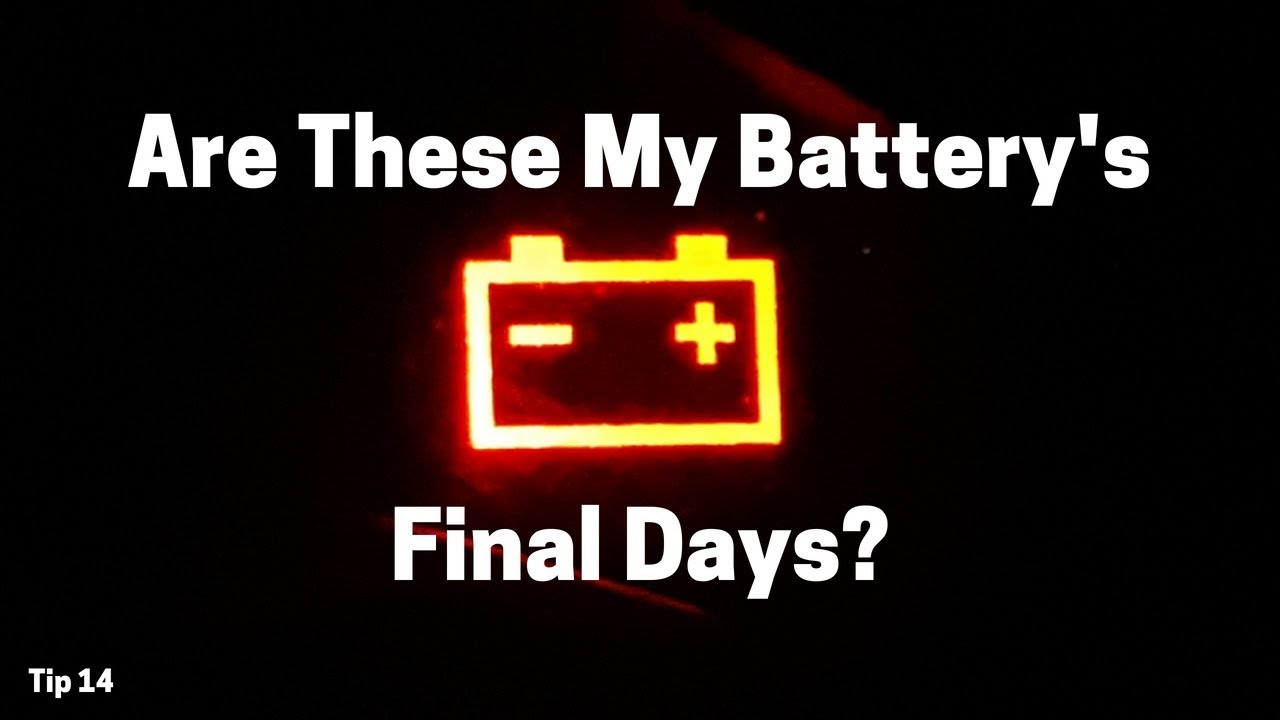
Have you ever experienced a car suddenly hard to start in the morning? Or maybe the dashboard lights suddenly go off for no apparent reason? And why is the battery light on? Don’t ignore these signs, these can be signs your car battery is dying. Many drivers often dismiss small symptoms that are the early warnings before battery dies, which can be inconvenient, especially if that happens in unexpected times and places. Knowing in advance the signs your car battery is dying can save your time and money. Understanding the symptoms that appear, such as a weak starter sound, a strange smell from the bonnet, or an approaching battery age, can help you act before it is too late.
In this article, we will discuss in depth the common signs your car battery is dying, and what you can do to prevent a break in the middle of the road.
How Car Batteries Work (Brief Overview)
To understand signs your car battery is dying, it is important to first know how car batteries work in a nutshell. Car batteries serve as primary source of power to turn on the car’s electric system. When you turn the ignition key, batteries supply the electric current to the ignition system so the engine can start. Also, batteries support other electronic systems, such as lights, radio, air conditioning, and increasingly complex sensors in modern cars.
Car batteries work by converting chemical energy into electrical energy through an electrochemical reaction between lead plates and electrolytic solution. If the engine is on, the alternator will take over the roles to supply the electricity and recharge the batteries. If one of these processes is disrupted, whether by battery age, internal damage, or charge issue, then there will be various signs your car battery is dying. Understanding this basic process helps you assess whether a symptom is caused by a faulty battery or by another component of the vehicle’s electrical system.
Signs Your Car Battery Is Dying: 7 Alarming Clues You Shouldn’t Ignore
Recognizing signs your car battery is dying is crucial so that you can take immediate action before the car breaks down. The following are 7 alarming clues you shouldn’t ignore of common signs your car battery is dying, described one by one in detail:
- Engine trouble
Engine trouble is the most experienced sign. When you turn the contact key or hit the start button, the machine is heard to spin slowly or not at all. This is because batteries cannot provide enough power to power the starter motor. If you experience this condition more than once in the near future, it can be signs your car battery is serious.
- Dim lights or flickers
A faint light and interior lamp, even when the engine is running, could be an indication of a weak battery. This is because the voltage is down, so the lighting system does not get enough power. In some cases, you may also notice a dashboard light blinking or turning on in an abnormal way.
- The click starts the car
If you start your car and only hear a “click” without the sound of the engine running, it’s a sign that a battery cannot move the starter. The click came from a solenoid that was not current enough to activate the starter motor. It’s one sign your car battery is dying and is not to be ignored.
- Strange smell from the bonnet
Smells like rotten eggs or sulfur from underneath the bonnet could be a sign of a leak of hydrogen sulfide gas from a battery. The gas appears because of internal chemical damage to old or overheated batteries. Besides being dangerous, these conditions indicate that the battery is on the verge of failure.
- Physically distended battery
If the body appears bulging or uneven, it can be caused by overswitching from alternator or extreme heat exposure. These shape-shifting shows that the battery was structurally damaged and unsafe to use. It is also one of the signs that your car battery is dying that can be identified by simple visual inspection.
- Corroded battery terminal
The presence of white or greenish crust on the battery terminal suggests an abnormal chemical reaction. This corrosion can impede electricity from batteries to electric systems, reducing battery performance. Cleaning up the terminal might help a while, but if the corrosion keeps coming, the battery’s starting to wear off. For more details about battery terminal, you can explore our website to learn battery terminal protector and how to replace battery terminal.
- Battery is old
Car batteries generally have a 2 to 5 year-old uses age depending on the type, quality, and way of use. If your battery is approaching or beyond that age, be alert to other signs because it can be one of signs your car battery is dying by natural age.
How to Confirm Your Battery Is Dying
Understanding the sign is a first step but ensuring that the source of the problem really comes from battery requires a more systematic approach. One way that is often ignored is by observing the pattern of events. If cars are just hard to start in the morning or after old parking, but to return to normal once used, it can be one of signs your car battery is dying because of a slow loss of savings.
In addition, you could try replacing or removing additional electronic devices such as a phone charger, dashboard, or aftermarket audio device that continues to suck power when the engine is down. If the performance of the car improved after the accessory was taken off, you are likely borderline and unable to handle the extra burden, a signal that signs your car battery is dying to be real.
Another approach that is also effective is the frequency and consistency of problems. Healthy batteries are usually consistent in performance. If you begin to experience a disorder that appears and disappears at random, such as a battery light flickering on by itself or an audio system rebooting itself when the engine is turned on, it is the unsteady signal of the power supply. The instability is a strong signal that you are dealing with signs your car battery is dying for which one must not ignore.
With a short-term observation-based approach, you can confirm problems without immediate reimbursement. But if symptoms recant, a professional examination is still the best way to verify the source of the problem accurately.
What to Do When Your Battery Is Dying
If you have suspected signs your car battery is dying, the most important thing is to quickly devise a plan to avoid dependence on unstable batteries. One often forgotten wise step was to start cutting back on non-urgent use of electrical features. For example, avoid using audio systems, seat heating, or running lights before the engine begins. It’s not a long-term solution, but it helps reduce battery load in emergency situations.
Next, make sure you have access to emergency assistance. Keep trusted forge contacts or emergency car service on your cell phone. If you frequent trips or short trips across facilities, consider bringing in portable jumper devices. This will prove very useful when signs your car battery is dying shows up abruptly at a location where direct help is not possible.
Also, take advantage of this opportunity to evaluate your driving habits. Many drivers are unaware that a short, repetitive journey such as just 5 to 10 minutes could leave the battery without sufficient time to fill. By taking preventive measures early on, you can avoid the larger consequences of ignoring signs your car battery is dying, while keeping the car in good condition.
When to Replace Your Car Battery
A car battery powers the vehicle’s electrical system. Without a functioning battery, no engine can start, no lights and no electronic system can shut down. Unfortunately, many vehicle owners wait too long to change. Though, a weakened battery gives off a recognizable signal at a much earlier rate. Here are a few important signs and exact moments when you should begin to consider replacing your car battery:
- The battery is over 2-3 years old
The average battery lifespan ranges from 2 to 3 years, depending on the type, brand, and usage. If it is past that age, you should start monitoring it more closely or prepare for replacement, even if it has not shown any damage.
- Car starters feel weak or slow
If the machine takes longer than usual to start the engine, it is one of the battery signs that begin to weaken. Do not ignore this sign, because the longer you allow it, the higher the risk you will get.
- Lights getting faint or faulty electrical systems
A faulty audio system, or other electronic features that turn on and off frequently are the signal that the power supply is no longer optimal.
- Strange odor or corrosion on battery terminal
A strong odor like rotten eggs could signify a leak in a battery while it can cause imperfect electrical connections. These two things can accelerate the damage and become strong reasons to replace the battery.
- Cars often break down or have to jump start
If you often have to start jump the car, it is a sign that the battery can no longer store power properly. Although this condition can be temporarily switched on, this is not a long-term solution as it can potentially harm other electrical components.
Replacing the batteries on time is a small investment that can prevent major losses. Watch the signs, check the battery age, and do not wait for your car to die in the middle of the road.
Tips to Extend Battery Lifespan
Battery failure often feels sudden, but it is usually avoidable. Whether it is car batteries or power tools, good habits can greatly increase the lifespan of batteries. The following are some best tips to extend battery lifespan:
Avoid Full Discharges
- Do not completely discharge your battery.
- Deep discharges place additional strain on most batteries, which can decrease their overall lifespan.
Do Not Overcharge the Battery
- Overcharging produces excessive heat and stress to the battery, which contributes to damaging the battery cells.
- Use smart chargers that stop automatically once the battery is full or disconnects after it is fully charged.
Use the Appropriate Charger
- The voltage and output current of the charger shall be matched with the battery.
- Chargers that provide too much or too little current can negatively affect the battery or decrease battery longevity.
Charge in the Right Environment
- Avoid exposing batteries and chargers to abnormally hot or cold temperatures.
- For best results, it is recommended to charge the batteries in a room temperature environment (around 20–25°C or 68–77°F).
Store Batteries Properly
- If you are not using a battery for more than a few weeks, you should store the batteries with a charge of around 50% in a cool, dry place.
- Do not ever store fully discharged and fully charged batteries for a long period.
Keep Battery Terminals Clean
- Dirty or corroded battery terminals decrease efficiency and can damage both the battery and the connected device.
- Clean the battery terminal with dry cloth or brush regularly, especially the car or outdoor equipment.
Avoid Excessive Load to the Battery
- Do not exceed the power that the battery can endure.
- Overloading can cause overheating and permanent internal damage.
Batteries are not made to last forever, but how you use and maintain them can significantly extend their lifespan. A little care today can help your battery last longer overall and work more effectively along the way.
Conclusion
The signs your car battery is dying should be recognized not just a way to prevent your car from breaking down, but also a way to keep your comfort and safety on the road. Symptoms such as faulty engines, a strange smell, or a rusty terminal are not trivial ones, these are warnings worth noticing. The sooner you realize it, the smaller the risk of a big problem the later.
Instead of waiting until the car is completely dead, take precautions from the start. This includes reducing unnecessary electric overload, checking battery condition regularly, and paying attention to your vehicle usage patterns. If the signs are getting weak, delay should not be experienced. Take action to ensure your car is ready when it is needed.
Frequently asked questions
Common signs include slow engine crank, dim headlights, clicking sounds when starting, and electrical issues like flickering dashboard lights.
Most car batteries last between 3 to 5 years, depending on usage and maintenance.
Sometimes a battery can be recharged if it’s not too old, but usually, if you notice signs your car battery is dying, replacement is the best option.
Who We Are
With over 17 years of experience, TYCORUN is a leading lithium battery supplier committed to driving innovation and development of battery technology. Our diverse product range includes two/three/four-wheeled power batteries, energy storage systems, one stop battery swap systems, inverters, and electric motorcycles. These high-quality solutions are trusted in Europe, the Middle East, and Africa.
We provide customized battery services, from cells to complete systems, and holds certifications like ISO9001, CE, TUV, and UL. TYCORUN has developed solid-state batteries for better performance and uses advanced BMS algorithms for safety and longer life.
TYCORUN’s global reach is strengthened through our strategic partnership with Ganfeng, a top-five Chinese battery manufacturer. This collaboration offers us professional technology and production support. We fully manage Ganfeng’s overseas battery business and have collaborated to mass sell swappable, power, and energy storage batteries to Thailand, Dubai, Egypt, South Africa, Saudi Arabia, etc.
Authors
-
View all posts
Audrey Chloe is a writer and researcher focused on energy storage technologies, with a particular interest in lithium-ion batteries, battery management systems (BMS), and their real-world use in e-bikes, electric vehicles, and home energy storage. With a background in materials science, she explores how battery chemistry, design, and usage patterns affect performance, safety, and lifespan.
Her goal is to turn complex battery concepts into clear, practical insights that help people make informed decisions about everyday energy technologies.
-
View all posts
Meg is a battery engineer with 10+ years of experience in the energy storage industry. She holds a B.S. in Electrical Engineering and previously worked as an R&D engineer at a lithium-ion battery manufacturer, where she focused on battery management systems (BMS), charging algorithms, and life-cycle testing for lead-acid, AGM, and lithium chemistries. She has contributed to the development of battery maintenance technologies used in commercial products. Meg now provides technical review for energy storage content to ensure accuracy, safety, and practical value for readers.