Skip to content


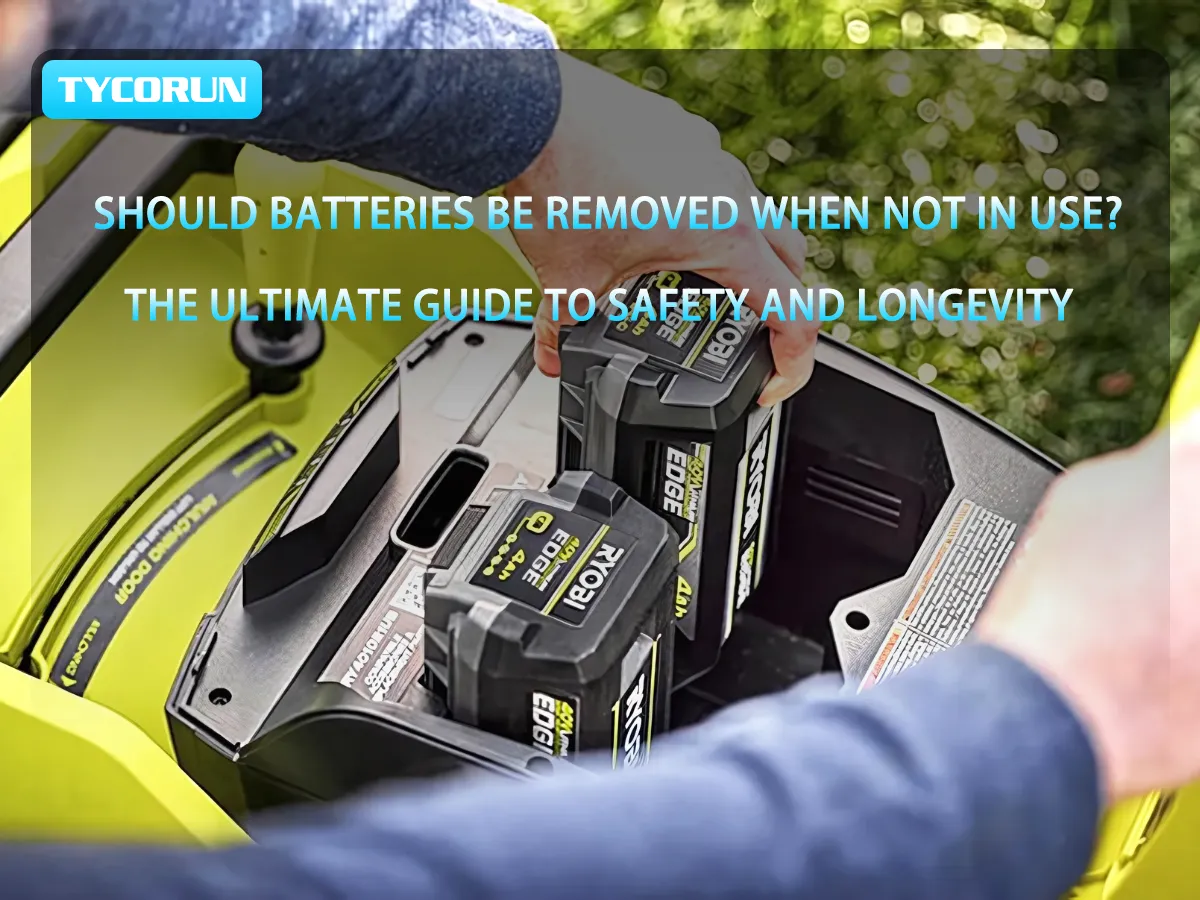
A battery is one of the most important components in various electronic devices, ranging from remote controls, wall clocks, toys, to emergency devices such as alarms and flashlights. Without batteries, most of these devices cannot function properly. However, many people often do not store batteries properly, especially when the device is not used for a long period.
So, the question that often arises then is “Should batteries be removed when not in use?” At first glance, this question may seem trivial, but in reality, this simple decision will have a major impact on the safety of the device as well as the battery life cycle. If not handled properly, batteries that are left in devices for too long without being used can corrode, leak, and even damage the device.
In this article, we’ll take a deep dive into the reasons why the question of “should batteries be removed when not in use” matters, the science behind battery storage, should batteries be removed when not in use, potential risks of leaving batteries installed, benefits, exceptions, best practices for battery storage, and some mistakes to avoid when storing batteries.


Why This Question Matters
Should batteries be removed when not in use? And why does this question matter? As previously explained, batteries are a major source of energy for many electronic devices, ranging from toys, remote controls, to household appliances. However, many users often overlook the proper way to store batteries, especially when the devices are not being used for a long period. This is where the crucial question should batteries be removed when not in use arises.

This question is important because the habit of storing or leaving batteries installed can affect the two main things: the safety of the device and the lifespan of the battery itself. By understanding the risks, then users can prevent damage due to battery leakage, ensure that the device remains durable and is ready to be used at any time.
The Science Behind Battery Storage
Batteries work through a chemical reaction that then generates an electric current to be able to power the devices. Even when the devices are not in use, the chemical process inside the batteries continue, causing a phenomenon known as the battery self-discharge. This means that a battery is slowly losing its capacity even if it is not being used.

In addition, environmental factors such as humidity and temperature can accelerate battery degradation. If a battery is left installed in the device for too long, the risk of electrolyte leakage and corrosion can also increase. This is what makes the question should batteries be removed when not in use to be relevant, as this small decision can have a big impact on the safety of the device and the durability of the battery.
Should Batteries Be Removed When Not in Use?
Should batteries be removed when not in use? In general, the answer is yes, it is best to remove a battery when a device is not in use for a long period. By removing the battery, the risk of corrosion on the terminals, fluid leakage, and power loss due to battery self-discharge can be minimized. This simple step can also help to keep the device safe and prolong the battery lifespan.

However, this decision also depends on the type of battery used and the type of device. For a device with very low power consumption, the battery may still be safe if left installed. But if a device is seldom used, the question should batteries be removed when not in use is always worth considering for the durability and the safety of the battery.
Potential Risks of Leaving Batteries Installed
Leaving batteries installed in devices that are rarely used or not used for long periods can pose several risks. One of the most common problems is an electrolyte leakage, which can damage the device’s internal components and battery terminals. In addition, even if the device is rarely used or not used in a long period, the battery will still experience battery self-discharge, so its capacity will be diminished even if it is not used.

Another risk is a corrosion on metal contact that can disrupt the electric current, make the devices difficult to start, or even causing the devices to malfunction completely. In extreme cases, chemical damage or heat buildup may also occur. Therefore, the question should batteries be removed when not in use is not just a matter theory, but an important precautionary measure to maintain the devices safety and avoid damage.
Benefits of Removing Batteries When Not in Use
Removing batteries from devices that are rarely used gives some real advantages, as follows:
- Extends battery lifespan: removing a battery from a device when not in use reduces the battery self-discharge process so that the battery capacity can last longer.
- Improves safety: reducing possible damage to electronic circuits or current leakage.
- Prevent device damage: the risk of corrosion on battery terminals and electrolyte leakage can be minimized.
- Saves maintenance costs: devices and batteries become more durable, so they do not need to be replaced frequently.
- Maintaining storage performance: batteries that are separate from the devices and then stored in a dry and cool place will be more stable in the long run.

In other words, answering the question should batteries be removed when not in use positively gives double protection, both to the battery and the device that uses it.
Exceptions: When You Don’t Need to Remove Batteries
Although removing batteries from devices that are rarely used provides some real benefits, not all conditions require a battery to be removed from a device. There are few exceptions when you don’t need to remove batteries, including:
- Devices with low power consumption: such as remote controls or wall clocks, which use small power and are relatively safe if not used in the short term.
- Short-term use: if the device will still be used within days or weeks, removing the battery from the device may not be particularly necessary.
- Rechargeable batteries with smart management systems: such as lithium-ion batteries in modern gadgets, which are generally equipped with protection against overcharge and self-discharge.
- Emergency devices: such as alarms or flashlights, which should always be ready for use whenever needed, even though there are still risks involved.
In this case, the answer to the question should batteries be removed when not in use can be flexible, depending on the user’s needs and the type of device.
Best Practices for Battery Storage
To keep batteries durable and safe, there are some best practices for battery storage, as follows:
- Store in a dry and cool place: avoid high humidity or excessive heat exposure that can accelerate battery damage.
- Use a special battery storage container: so that the batteries do not come into direct contact with any other objects or metals that can cause short circuits.
- Remove batteries from devices that are rarely used: this method prevents the risk of leakage and also corrosion on the terminals.
- Check battery condition periodically: make sure there are no signs of swelling, leaking liquid, or rust.
- Avoid mixing old batteries with new ones: capacity differences can cause performance degradation or leakage.

By applying some best practices for battery storage above, users can answer the question should batteries be removed when not in use more wisely, while also maintaining the durability of the device and the battery.
Mistakes to Avoid When Storing Batteries
To keep batteries safe and durable, there are several mistakes to avoid when storing batteries, as follows:
- Leaving batteries in the devices without removing them for too long: this risk damaging the battery terminals and causing a liquid leakage.
- Storing batteries and devices in moist or hot places: this can increase the risk of corrosion and accelerate battery degradation.
- Mixing new batteries with old ones: this causes a battery power imbalance that can then accelerate damage.
- Ignoring a routine battery check: many users forget to check battery condition, which can lead to rust or swelling in batteries.
- Does not protect battery terminals: this allows direct contact with a metal or other objects that can trigger short circuits.
Understanding these mistakes to avoid when storing batteries will help answer the question of should batteries be removed when not in use more accurately, as well as ensure the batteries remain safe in the long run.
Conclusion
Discussions about battery storage show that simple decisions can have a big impact on both the lifespan of the device and the battery itself. Removing the battery when the device is rarely used or not used for a long period has been proven to prevent corrosions on the battery terminals, reduce the risk of leakage, and slowing down the battery self-discharge process. Thus, the devices remain safe, protected, and ready to be use whenever needed.
However, there are certain conditions where the batteries do not need to be removed from the devices, such as on emergency devices or on modern batteries with smart management systems. However, these exceptions must still be handled carefully, as the habit of leaving batteries in devices for too long without removing them can be risky. The best practice still emphasizes on proper storage, which means keeping it in a cool, dry place, and away from excessive heat and high humidity.
Overall, removing batteries from the devices that are rarely used is a simple but effective precaution measure for both the devices and the batteries. By following the proper storage practices as described above, users can save costs, ensure safety, and guarantee the longevity of both the battery and the devices in the long run.
Frequently asked questions
Yes, they should. It is recommended that the rechargeable batteries be removed from the devices if they are rarely used or not used for a long period. This can prevent excessive self-discharge and the risk of device damage.
No, they shouldn’t, if remote controls are still used frequently. However, if the remote controls are used infrequently even for months, then it is better to remove the batteries to prevent leakage.
Yes, it should. It is recommended to remove the car battery when not in use for a month or use a trickle charger so that the battery does not run out during storage.

Who We Are
With over 17 years of experience, TYCORUN is a leading lithium battery supplier committed to driving innovation and development of battery technology. Our diverse product range includes two/three/four-wheeled power batteries, energy storage systems, one stop battery swap systems, inverters, and electric motorcycles. These high-quality solutions are trusted in Europe, the Middle East, and Africa.
We provide customized battery services, from cells to complete systems, and holds certifications like ISO9001, CE, TUV, and UL. TYCORUN has developed solid-state batteries for better performance and uses advanced BMS algorithms for safety and longer life.
TYCORUN’s global reach is strengthened through our strategic partnership with Ganfeng, a top-five Chinese battery manufacturer. This collaboration offers us professional technology and production support. We fully manage Ganfeng’s overseas battery business and have collaborated to mass sell swappable, power, and energy storage batteries to Thailand, Dubai, Egypt, South Africa, Saudi Arabia, etc.

In this article, we’ll take an in-depth look at the question “Should I replace my car batteries before it dies?” This article will cover everything from the signs of a weakening battery, the main reasons why it’s necessary to replace the battery before it dies, the ideal time to replace the battery, the risks of delaying the replacement, to maintenance tips to make the battery last longer.

This article will mainly discuss should batteries be stored charged or uncharged, ranging from understanding recommended storage methods, commonly used battery types, ideal storage conditions, and practical tips to keep the battery healthy despite long storage.

This article aims to provide a clear, fact-based answer to the central question: “Should batteries be stored in a refrigerator?” We’ll explore the potential consequences of doing so, including issues related to condensation, reduced performance, and shortened battery lifespan. Let’s dive deeper!
Authors
-
 View all posts
Audrey Chloe is a writer and researcher focused on energy storage technologies, with a particular interest in lithium-ion batteries, battery management systems (BMS), and their real-world use in e-bikes, electric vehicles, and home energy storage. With a background in materials science, she explores how battery chemistry, design, and usage patterns affect performance, safety, and lifespan.
Her goal is to turn complex battery concepts into clear, practical insights that help people make informed decisions about everyday energy technologies.
-
 View all posts
Meg is a battery engineer with 10+ years of experience in the energy storage industry. She holds a B.S. in Electrical Engineering and previously worked as an R&D engineer at a lithium-ion battery manufacturer, where she focused on battery management systems (BMS), charging algorithms, and life-cycle testing for lead-acid, AGM, and lithium chemistries. She has contributed to the development of battery maintenance technologies used in commercial products. Meg now provides technical review for energy storage content to ensure accuracy, safety, and practical value for readers.