
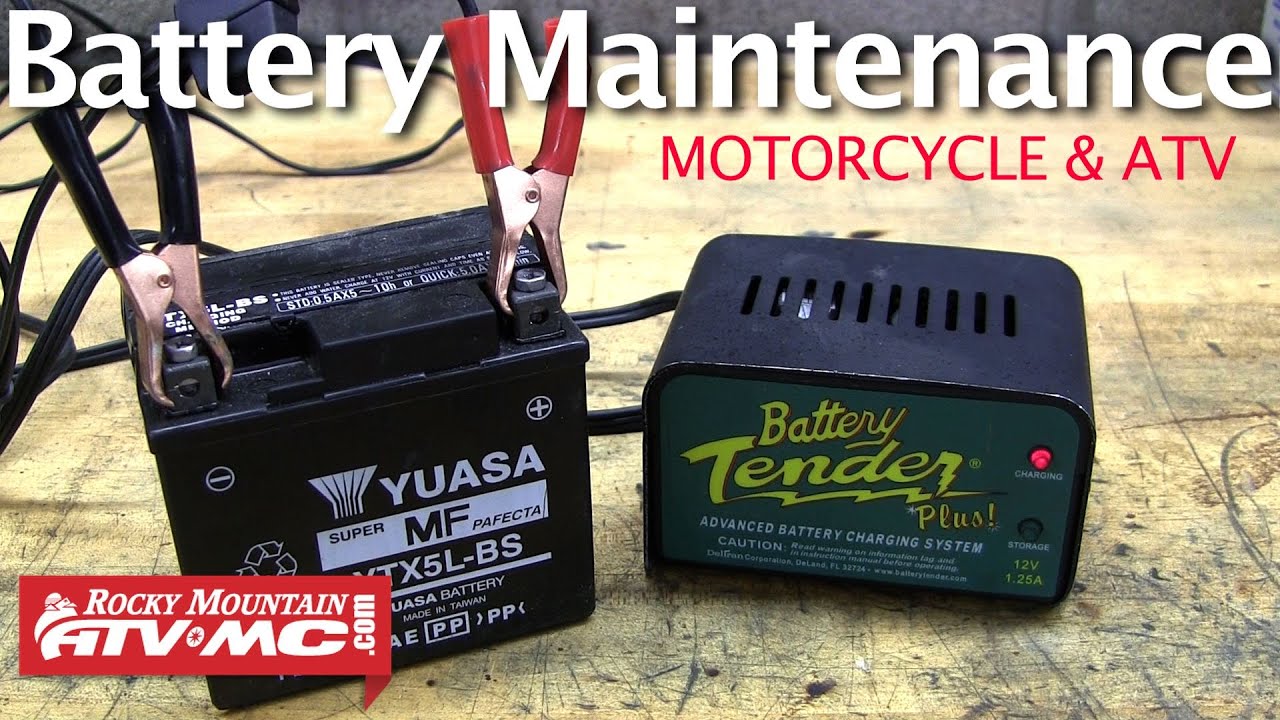

With the increasing popularity of electric motorcycles as an environmentally friendly mobility alternative, understanding motorcycle battery maintenance is becoming increasingly important. Because it’s known that the battery is the primary component of an electric motorcycle, which can significantly impact the performance, mileage, and overall lifespan of the vehicle, without proper maintenance, the battery’s performance may degrade, risking permanent system damage.
Therefore, performing regular motorcycle battery maintenance not only extends the battery’s life but also provides comfort and safety while riding. Regularly performing motorcycle battery maintenance can also help minimize the risk of the battery died while driving. Therefore, in this article, we’ll thoroughly discuss the best practices for performing motorcycle battery maintenance, starting with an understanding of the types of batteries, proper charging methods, long-term storage measures, and the optimal time to replace the motorcycle battery.
Types of Electric Motorcycle Batteries
One of the most important aspects of motorcycle battery maintenance is to understand the different types of batteries used in electric motorcycles. Additionally, this is because each type of battery has its unique advantages, disadvantages, and characteristics that can influence how it needs to be maintained. By recognizing the battery type used from the beginning, users can employ more effective and efficient motorcycle battery maintenance strategies. The following are some of the battery types that are commonly used in electric motorcycles.
- Lithium-Ion Battery
It’s the most common type of battery used in modern electric motorcycles because lithium batteries offer stable performance, fast charging times, and are known for their lightweight design due to their high battery energy density. However, this battery also has the disadvantage of being vulnerable to extreme temperatures and requires a good charging and protection system. Therefore, when maintaining this type of battery on a motorcycle, avoid overcharging or discharging it too often, and store the battery at room temperature to preserve its lifespan.
- Lithium Iron Phosphate (LiFePO4)
This type is a development of a much more stable and better version than standard lithium-ion. This battery type has a much longer battery life cycle and better safety against high temperatures. However, this type of battery has a heavier battery weight compared to standard lithium batteries due to its lower energy density. Caring for this type of battery can be achieved by regularly recharging it, even if the motorcycle is rarely used.
- Nickel Metal Hydride (NiMH)
Generally, this type of battery is rarely used in modern electric motorcycles, but it’s still found in older models. This type of battery is known to be superior to lead acid batteries, which are prone to leakage and have better resistance to overcharging. However, the capacity of this battery is significantly lower than that of the previous two battery types, and it’s heavier and larger. Therefore, when caring for this type of battery, you can avoid storing it in an empty state.
Daily Electric Motorcycle Battery Maintenance Tips
As is widely known, the battery is the heart of an electric vehicle; therefore, performing regular maintenance on the battery can have a significant impact on the vehicle’s efficiency. It’s because keeping an electric motorcycle in optimal performance is not only a technology matter but also relates to daily habits. By understanding these daily electric motorcycle battery maintenance tips, we can prevent capacity loss, extend battery life, and avoid costly service fees. Therefore, here are some daily maintenance tips for electric motorcycle batteries that you can follow.
Avoid Charging to 100% Continuously.
Maybe a full charge is a good and efficient way to increase your vehicle’s mileage. However, charging your motorcycle battery to 100% too often can accelerate battery degradation. Ideally, charge to 80%-90% to prevent the battery from experiencing cell damage more quickly. Only charge to full when you’re planning a long trip.
Don't Let the Battery Run Out (0%)
Battery deep discharge conditions experienced by batteries continuously can accelerate battery cell damage, especially in lithium-ion types. Therefore, regularly pay attention to the battery power indicator on your motorcycle, and recharge when the battery power has reached around 20% or 30%.
Park in a Cool and Shady Place
It’s known that extreme temperatures are one of the factors that can affect battery performance and shorten its life. Therefore, one of the key motorcycle battery maintenance tips to consider is avoiding parking the motorcycle in areas exposed to direct sunlight or with high humidity. By parking in a suitable place, you can prevent irregular chemical reactions from occurring inside the battery.
Clean the Charging Port and Connectors Periodically
The presence of dirt, such as dust or moisture, in the charging port, may cause interference during charging or even short-circuiting. Therefore, make sure to perform regular cleaning of the charging port and connectors to prevent any obstacles during charging that may slow down the battery from being fully charged.
Check Indicators or Monitoring Apps
Some manufacturers have equipped their electric motorcycles with monitoring apps to help track battery conditions in real-time. One electric motorcycle manufacturer that has integrated an application-based monitoring system in its electric motorcycle products is TYCORUN. The monitoring application provided can make it easier for users to monitor temperature, capacity, and battery charge cycles in real time, allowing for more proactive maintenance.
Proper Charging Practices for Electric Motorcycle Battery
Another key aspect of motorcycle battery maintenance is monitoring the battery’s daily charging. Improper charging can accelerate capacity degradation or even cause long-term damage to the electric motorcycle battery. Therefore, a good understanding of proper charging practices can help users maintain battery efficiency and longevity. Here are some tips on appropriate charging practices for electric motorcycle batteries.
- Use an Authorized or Recommended Charger
Always use the original charger from the manufacturer or the one recommended by your electric motorcycle manufacturer if the original charger is lost or damaged. It’s because if you buy a cheap and unrecommended charger, it may not provide the voltage or current that matches the specifications of the electric motorcycle. If this happens, the battery system may damage due to unstable and inappropriate current and voltage.
- Avoid Overcharging
Although many electric motorcycles are equipped with a cut-off feature, the habit of leaving the battery connected to the charger for too long is still not recommended. To maximize motorcycle battery maintenance and extend battery life, disconnect the charger as soon as the battery power level reaches 80% or 90%.
- Charge in a Cool and Ventilated Place
Charging in a place that is too hot or humid can cause the battery to overheat, potentially damaging the battery cells. Therefore, when charging, ensure that the process is conducted in an area with good air circulation.
- Avoid Charging When the Battery is Too Hot or Cold
Extreme temperatures can generally affect the speed of chemical reactions that occur in the battery. Therefore, if the battery temperature is too hot or cold after use, be sure to wait for it to return to normal temperature. Additionally, this helps avoid various dangerous risks during charging.
- Don’t Wait Until the Battery is Completely Depleted
Charging is ideally done when the battery power reaches a level of 20% or 30%. Leaving the battery in an empty condition repeatedly before charging can accelerate cell damage and reduce its performance. Therefore, ensure that you charge the battery when its power level indicates the ideal range for charging rather than waiting for it to run out completely.
Storage and Long-Term Battery Care
When a vehicle is stored and will not used for an extended period, it’s essential to know how to store the battery correctly. It’s because, when it comes to motorcycle battery maintenance, the condition of the battery can worsen drastically if neglected for an extended period. Proper storage not only protects the battery from damage but also ensures the motorcycle is always ready for use at any time. Therefore, here are some motorcycle battery maintenance tips for when the vehicle will stored for an extended period.
- Charge the Battery Before Storing It
When storing your electric motorcycle for an extended period, ensure the battery retains sufficient energy. Please charge the battery until its capacity reaches 50% or 70%, then store it. This power level is considered ideal to avoid battery self-discharge during storage.
- Store in a Cool, Dry, and Ventilated Place
Store the battery or vehicle in a place with an ideal room temperature, which ranges from 15 °C to 25 °C. Avoid areas that are excessively humid, hot, or exposed to direct sunlight, as extreme temperatures can cause battery damage even when the device is not in use.
- Remove the Battery from the Vehicle (If Possible)
Some electric motorcycles with swap battery innovation are designed to be removable during charging, thereby avoiding the high battery replacement costs associated with an embedded battery. If your electric motorcycle supports swappable, then when the motorcycle is stored for a long time, make sure to remove the battery to avoid passively draining the power from the motorcycle’s electrical system.
- Check and Recharge Periodically
Every 1-2 months, check the power level of the stored battery. Check if the battery power has dropped drastically below 30%. If so, recharge it to 50% to 70%. This routine may seem simple, but it’s the most crucial component in the motorcycle battery maintenance process for maximizing battery life.
- Avoid Storing in an Overly Full or Empty State
Storing the battery at an overly full or low charge for an extended period can cause permanent damage to the battery cells. Therefore, only charge the battery at the middle level if it will not used for a long time to maintain battery performance and reliability.
When to Replace the Battery
Although proper routine maintenance can extend the electric motorcycle battery life, there are still times when the battery must replaced. Therefore, knowing when to replace the battery is essential, as replacing it late can impact the vehicle’s performance and even endanger safety while driving. To avoid the risks associated with a faulty battery, this section provides further guidance on when to replace it.
- Battery Life Has Exceeded Normal Limits: How long should a motorcycle battery last? Generally, lithium-ion electric motorcycle batteries can last between 3 and 5 years. Therefore, if it has exceeded that age, it’s likely that its performance has decreased and it needs to be replaced.
- Mileage Drastically Reduced: If, in a single charge, the mileage is drastically reduced from the specifications, then it indicates that the battery capacity has decreased.
- Longer Charging Time: Damaged batteries typically take significantly longer to charge fully. If the battery charging time has increased to twice the usual time, it may be time for a replacement.
- Overheating During Discharging or Charging: A battery that frequently overheats during discharging or charging typically indicates a fault in the internal cells. To avoid safety risks, replace the battery when this condition occurs.
- Indicator or Monitoring System Indicates Error: If the battery monitoring system consistently shows errors, it’s a signal that the battery is unstable.
Conclusion
Generally, performing motorcycle battery maintenance is not a complicated task, but it does require consistency and proper understanding. By practicing regular motorcycle battery maintenance, you can not only keep your motorcycle performing optimally but also extend the life of your battery and save money in the long run. A little attention given every day can have a significant impact on the vehicle’s durability and efficiency. So, make motorcycle battery maintenance a habit, not just a whim, because doing so is one of the smartest investments you can make for a long time of mobility.
Frequently asked questions
Yes, but make sure the battery has a charge of about 50% to 70% before storing, and check it every 1-2 months.
Check at least once a week, mainly if the motorcycle is used daily. Also, check the battery regularly through the monitoring app to ensure its health.
It depends on the type of damage. Some cases may still be repairable by a technician; however, if the battery has suffered severe degradation or physical harm, replacement is safer.
Who We Are
With over 17 years of experience, TYCORUN is a leading lithium battery supplier committed to driving innovation and development of battery technology. Our diverse product range includes two/three/four-wheeled power batteries, energy storage systems, one stop battery swap systems, inverters, and electric motorcycles. These high-quality solutions are trusted in Europe, the Middle East, and Africa.
We provide customized battery services, from cells to complete systems, and holds certifications like ISO9001, CE, TUV, and UL. TYCORUN has developed solid-state batteries for better performance and uses advanced BMS algorithms for safety and longer life.Â
TYCORUN’s global reach is strengthened through our strategic partnership with Ganfeng, a top-five Chinese battery manufacturer. This collaboration offers us professional technology and production support. We fully manage Ganfeng’s overseas battery business and have collaborated to mass sell swappable, power, and energy storage batteries to Thailand, Dubai, Egypt, South Africa, Saudi Arabia, etc.
Authors
-
View all posts
Anastasia is a dedicated renewable energy researcher and technical writer specializing in inverters, home energy storage solutions, and clean energy trends. With a sharp eye for market analysis and industry shifts, she transforms complex technical concepts into actionable, easy-to-understand insights. Her goal is to empower homeowners and businesses alike to make highly informed decisions regarding sustainable energy deployment.
-
View all posts
Meg is a battery engineer with 10+ years of experience in the energy storage industry. She holds a B.S. in Electrical Engineering and previously worked as an R&D engineer at a lithium-ion battery manufacturer, where she focused on battery management systems (BMS), charging algorithms, and life-cycle testing for lead-acid, AGM, and lithium chemistries. She has contributed to the development of battery maintenance technologies used in commercial products. Meg now provides technical review for energy storage content to ensure accuracy, safety, and practical value for readers.





