

The Introduction of LiFePO4 Pouch Cells — Advantages, Types, and The Applications

A LiFePO4 pouch cells is unique in that it is flexible, which use in many types of systems and devices. Because of this, it’s seen as one of the best choices for future energy storage.

Author :

Reviewers:

lifepo4 pouch cells

The LiFePO4 pouch cells is gaining popularity as more people demand improved methods of energy storage. A LiFePO4 pouch cells is unique in that it is flexible, which use in many types of systems and devices. Because of this, it’s seen as one of the best choices for future energy storage.

YouTube_play_button

What is LiFePO4 Pouch Cells?

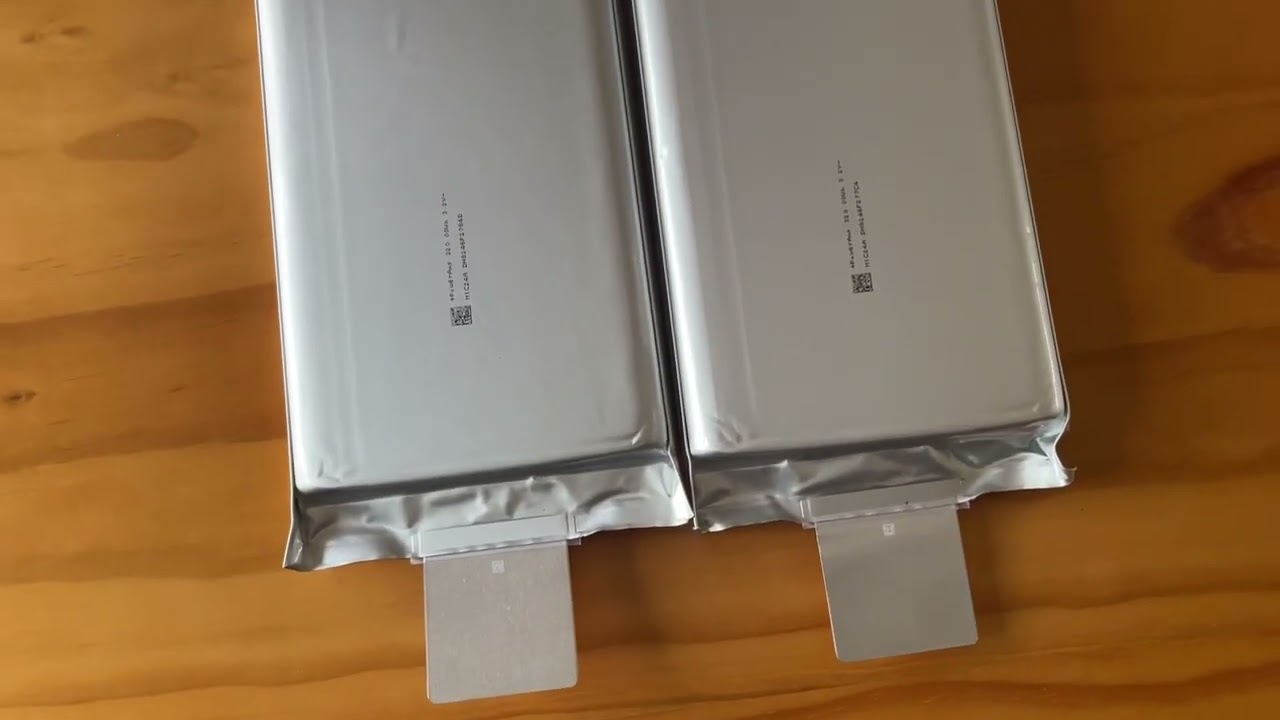
LiFePO4 Pouch cells are a lithium battery types. The battery are light and feature a plastic outer covering that is soft and flexible. People commonly call them laminated or soft pack batteries since how is a pouch battery made, the battery are made of thin layers that are layered and packed tightly.

LiFePO4 Pouch Cells

The material used in the cathode is a key distinction between a LiFePO4 pouch cells and other lithium-ion batteries. It is made of lithium iron phosphate (LiFePO4), which is made of lithium, iron, and phosphate. This stuff is sturdy, doesn’t catch fire easily, and keeps steady when it’s heated. That makes the LiFePO4 pouch cells safer than other varieties that use materials like lithium cobalt oxide, which can get too hot and become dangerous

The Advantages and Disadvantages of LiFePO4 Pouch Cells

The Advantage LiFePO4 Pouch Cells

  • Lightweight

A LiFePO4 pouch cells is lighter than other battery shapes like cylindrical or prismatic. Even when all have the same power, the pouch type still weighs less, which is great for reducing overall weight in devices. Check Pouch cell vs Prismatic cell for more comparison.

  • Flexible size and shape

One great thing about a LiFePO4 pouch cells is that it can be made in different shapes and sizes. It can be long, short, flat, square, or even curved—whatever fits the device it’s going into.

  • High safety

The LiFePO4 pouch cells is safer because it doesn’t easily catch fire or overheat. It stays stable even in high temperatures, which helps prevent accidents.

  • Lower cost and better for the environment

Because the LiFePO4 pouch cells does not use expensive materials like nickel or cobalt in batteries, it costs less and is more eco-friendly. It’s also cheaper to maintain and replace.

  • Longer life

A LiFePO4 pouch cells can be used many times—often over 4,000 charge and discharge cycles before losing much power. How long do batteries last, That’s much longer than lead-acid or some other lithium batteries.

  • Holds charge well

Even if you don’t use a LiFePO4 pouch cells for a long time, it will still keep most of its power. This means it’s ready to go when you need it.

The Advantages and Disadvantages of LiFePO4 Pouch Cells

The Disadvantage LiFePO4 Pouch Cells

  • Lower voltage

The typical voltage of a LiFePO4 pouch cells is a bit lower than other lithium batteries, so it may not be the best for devices that need higher voltage.

  • Lower energy storage

A LiFePO4 pouch cell doesn’t store as much energy in the same space as some other lithium batteries, like those using ternary materials. This means you might need a bigger battery for the same power.

Types of LiFePO4 Pouch Cells

There are many kinds of LiFePO4 pouch cells depending on things like shape or how they are used. But in this part, we’ll focus on types based on how much power they can store—also called their capacity.

3.2V 10Ah LiFePO4 Pouch Cells

3.2V 10Ah LiFePO4 Pouch Cells
  • Capacity: 10Ah
  • Normal voltage: 3.2V
  • Inner resistance: ≤4mΩ
  • Lowest voltage when used: 2.0V
  • Normal charging: 5A
  • Max charging voltage: 3.65V
  • Fast charging: 10A

This LiFePO4 pouch cells is good for small electric items like toy cars, mini drones, or portable speakers. Even though it’s small, it gives enough power to run those devices well.

If your device needs more power, you can connect a few of these LiFePO4 pouch cells together in series or parallel to match the energy needs.

3.2V 100Ah LiFePO4 Pouch Cells

3.2V 100Ah LiFePO4 Pouch Cells
  • Capacity: 100Ah
  • Energy: 320Wh
  • Voltage: 3.2V
  • Normal power output: 160W
  • Max power output: 320W
  • Charging temp: -10°C to 55°C
  • Use temp: -20°C to 55°C
  • Size: 22.5mm x 122.7mm x 360.5mm
  • Weight: 1890g
  • Energy efficiency: ≥94%

What are lithium batteries used for​? This larger LiFePO4 pouch cells is great for bigger items like electric bikes, scooters, or solar-powered lights. It can also be used in backup systems like UPS or medical tools because it gives steady power, charges quickly, and lasts a long time.

You can also link this LiFePO4 pouch cells with others to make a battery pack that fits your power needs. Whether you need high energy or long usage time, this kind of LiFePO4 pouch cells is a strong choice.

The Applications of LiFePO4 Pouch Cells

Depending on how the battery is made, a LiFePO4 pouch cells can be used in a lot of different ways. Some common uses are for electric vehicles, solar storage, tools, and small electronics.

The Applications of LiFePO4 Pouch Cells
  • Portable Devices

LiFePO4 pouch cells are used in many phones, tablets, and other small electronics because they can hold a lot of energy, last a long time, and are very safe. These batteries also make smartphones light and easy to carry, which is great for folks who are always on the road.

  • Medical Equipments

Ventilators, pumps, and defibrillators are examples of medical machines that need a steady power source. That’s why the LiFePO4 pouch cell is a good choice. It operates effectively in a range of temperatures and can manage the needs of both small wearable gadgets and bigger machinery used in hospitals.

These batteries are also used in buses, automobiles, bikes, and scooters that run on electricity. They let cars drive farther and last longer since they charge quickly and put off a lot of power. Their lightweight design also helps improve speed and energy use. A lot of electric motorcycles now use this kind of battery to make them faster and safer.

How To Maintain LiFePO4 pouch cells

The easiest way for how to maintain lithium batteries is by charging it properly and storing it the right way. This is important because how you charge, use, and where you keep the battery can affect how long it lasts. So, here are some tips to help you do both.

How To Charge LiFePO4 Pouch Cells Properly?

If you want to charge a LiFePO4 pouch cells, here are some easy steps to follow:

• Make sure you use the right charger made for LiFePO4 pouch cells. You can use a multimeter or battery system to check the battery voltage. Always follow the manufacturer instructions about how long and at what voltage to charge it.

• Never charge the battery when it’s colder than 0°C (32°F), because it can harm the battery and reduce how well it works. If it has been in a cold place, let it warm up first.

• The best way to charge a LiFePO4 pouch cells is by using the CC/CV method. This means charging it with the same current until it hits a certain voltage, then keeping the voltage steady until the current goes down.

• Don’t overcharge or drain the battery too much, as this can shorten its life. Use a charger with safety features like overcharge protection and automatic shut-off. Also, don’t leave the battery unattended while charging.

• Charge the battery in a safe place, far from fire or heat. If you see anything unusual—like swelling, leaking, smoke, or a strange smell—stop charging it right away and do not use it again.

How To Store a LiFePO4 Pouch Cell?

Storing a LiFePO4 pouch cells is easy as how to store lithium batteries and if you follow a few basic tips. When you’re not using the battery, keep it in a dry and cool place. Stay away from areas with too much heat, moisture, fire, or sparks.

The best temperature for storing a LiFePO4 pouch cells is between -5°C and 35°C (23°F to 95°F). If it gets too hot or too cold, the battery may not last as long or work properly later.

Before putting the LiFePO4 pouch cells away, check the charge level. Make sure it still has at least 50% power. Don’t store the battery if it’s empty or damaged.

Conclusion

To sum up, a LiFePO4 pouch cells gives you lots of energy, lasts a long time, keeps its charge well, and handles heat safely.

It’s also safer and better for the environment than many other battery types. Even though there are other lithium-ion batteries like prismatic cells vs cylindrical cells ones, the LiFePO4 pouch cells is very popular because it can be made in many shapes to fit different devices.

Overall, a LiFePO4 pouch cell is a smart and flexible choice for many uses.

Frequently asked questions

Lithium Iron Phosphate (LiFePO4) batteries are renowned for their safety, longevity, and stability.

Series Connection: A 12V LiFePO4 battery typically contains four cells connected in series.

Prismatic cells generally have a metal casing, which provides better durability and thermal management. Pouch cells, on the other hand, use a flexible pouch made of laminated materials like aluminium and polymer, making them lightweight and allowing for more efficient use of space.

YouTube_play_button

Who We Are

With over 17 years of experience, TYCORUN is a leading lithium battery supplier committed to driving innovation and development of battery technology. Our diverse product range includes two/three/four-wheeled power batteries, energy storage systems, one stop battery swap systems, inverters, and electric motorcycles. These high-quality solutions are trusted in Europe, the Middle East, and Africa.

We provide customized battery services, from cells to complete systems, and holds certifications like ISO9001, CE, TUV, and UL. TYCORUN has developed solid-state batteries for better performance and uses advanced BMS algorithms for safety and longer life. 

TYCORUN’s global reach is strengthened through our strategic partnership with Ganfeng, a top-five Chinese battery manufacturer. This collaboration offers us professional technology and production support. We fully manage Ganfeng’s overseas battery business and have collaborated to mass sell swappable, power, and energy storage batteries to Thailand, Dubai, Egypt, South Africa, Saudi Arabia, etc.

Related Post
are lifepo4 batteries safe
Are LiFePO4 Batteries Safe?

Lithium iron phosphate (LiFePO4) batteries have gained popularity in recent years for being a safe and reliable rechargeable battery option. But are LiFePO4 batteries safe as the people say? Let’s find out!


Authors

  • Caroline

    Hi, I am Caroline. Right now, I mainly edit articles about lithium batteries and related parts. I'm focused on providing services and solutions for different industries using lithium batteries, and I keep up with the latest news on the topic. I look forward to collaborating with you all to advance the new energy industry!

    View all posts
  • Meg

    Meg is a battery engineer with 10+ years of experience in the energy storage industry. She holds a B.S. in Electrical Engineering and previously worked as an R&D engineer at a lithium-ion battery manufacturer, where she focused on battery management systems (BMS), charging algorithms, and life-cycle testing for lead-acid, AGM, and lithium chemistries. She has contributed to the development of battery maintenance technologies used in commercial products. Meg now provides technical review for energy storage content to ensure accuracy, safety, and practical value for readers.

    View all posts
Table of Contents
    Add a header to begin generating the table of contents

    You Might Also Like...

    How to Convert Amp Hours to Watt Hours (Ah to Wh Calculator and Chart)

    How to Convert Amp Hours to Watt Hours (Ah to Wh Calculator and Chart)

    Convert amp hours to watt hours with one formula: Wh = Ah × V. This guide gives you a calculator, lookup charts from 12V to ...
    Lithium Battery for RV Off-Grid Sizing and Cold Charging

    Lithium Battery for RV: Off-Grid Sizing and Cold Charging

    Planning an off-grid RV trip or camping in winter? Find out how much battery capacity you need, how to match it to your appliances, and ...
    Ganfeng Begins 588Ah Storage Cell Ramp; 648Ah Planned for 2027

    Ganfeng Ramps 588Ah Storage Cells, 648Ah Due 2027

    Ganfeng LiEnergy has moved its 588Ah storage cell line into production ramp and scheduled a 648Ah cell for 2027. This article converts the new formats ...
    EU Battery Passport 2027 Requirements for LMT and Energy Storage Batteries

    EU Battery Passport 2027: Requirements for LMT and Energy Storage Batteries

    From 18 February 2027, LMT batteries, EV batteries and industrial batteries above 2 kWh need an EU battery passport. See what the record contains, who ...
    EU Battery Regulation 20231542 What Battery Buyers Need to Know

    EU Battery Regulation 2023/1542: What Battery Buyers Need to Know

    A buyer’s breakdown of Regulation (EU) 2023/1542 for e-mobility and stationary storage. Learn how LMT and industrial batteries are classified, what applies from CE marking ...
    Lithium Battery vs Lithium-Ion Battery What’s the Real Difference

    Lithium Battery vs Lithium-Ion Battery: What’s the Real Difference?

    Lithium vs lithium-ion mostly comes down to single-use versus rechargeable. Here is how to read the label, compare voltage and shelf life, and pick the ...


