...

Introduction to C & I Energy Storage Systems Solutions

TYCORUN provides efficient, safe, and reliable commercial and industrial energy storage solutions to help businesses optimize energy management and achieve sustainable development.

TYCORUN’s commercial battery storage systems are specifically designed for applications such as small factories, shopping malls, and electric vehicle charging stations, with OEM/ODM services available.

Advanced C & I Energy Storage Solutions from TYCORUN

TYCORUN’s commercial battery storage systems integrate cutting-edge technology with intelligent management systems, offering modular, flexible energy storage capabilities.

These industrial energy storage solutions significantly reduce business electricity costs and improve energy efficiency. Designed to meet diverse application needs, they support customized applications worldwide.

The Advantages Of TYCORUN's Commercial Battery Storage Systems

High Efficiency and Energy Saving

Optimize electricity usage with smart power scheduling and peak-shaving functions to reduce peak electricity costs, helping businesses achieve long-term savings.

Reliability and Safety

Using LFP batteries and a system-level multi-layer safety protection design ensures stable system operation and high safety, avoiding power outages and equipment damage.

Flexible Customization

Modular design allows for tailored solutions based on energy demand, scale, and budget, ensuring efficient operation and return on investment.

Energy Independence

Reduce reliance on external grids with the energy storage system, providing backup power to ensure stable and continuous supply during grid failures or peak loads.

Environmentally Friendly

Supports renewable energy integration to help businesses achieve carbon reduction goals and promote green sustainable development.

Smart Monitoring and Maintenance

Equipped with a remote monitoring system and intelligent management platform, it provides real-time power data, enhances operational efficiency, reduces labor costs, and ensures continuous system optimization.

How Commercial Battery Storage Systems Work?

Industrial energy solutions efficiently manage energy through multiple stages. When electricity is abundant or priced low, the system stores electrical energy as chemical energy in lithium batteries for later use. During high demand or peak pricing, it converts the stored chemical energy back to electrical energy using a bidirectional converter (PCS) and releases it to the grid.

The commercial battery storage features a Battery Management System (BMS) and an Energy Management System (EMS). The BMS monitors battery status in real time to ensure safe operation, while the EMS optimizes charge and discharge strategies based on grid load and pricing information. This helps commercial and industrial users charge during low-demand periods, discharge during peak demand, and achieve peak shaving to lower costs and improve economic benefits.

Technical Parameters for TYCORUN’s Commercial Battery Storage Systems

100 KWh Battery Storage – The Best Choice for Small Factories, Shopping Malls, and Charging Stations

The 100 KWh battery storage utilizes advanced battery technology and an intelligent management system, supporting real-time monitoring of storage battery parameters via PC and mobile apps. This reduces operational complexity, enhances efficiency, and lowers costs. The 100 kWh battery storage is the ideal backup power solution for factories, schools, and shopping malls.

A-grade LFP Batteries

Multiple Protection

Long Cycle Life

Low Maintenance Costs

HB50K-100K 100 KWH Battery Storage Systems_no_bg
HB100K-215K 200 KWH Battery Storage Systems_no_bg

200 KWh Battery Storage Suitable for Small Factories, Shopping Malls, and Charging Stations

The 200 KWh battery storage system, utilizing LFP (Lithium Iron Phosphate) battery technology, efficiently stores and releases large amounts of energy. It provides stable and continuous power supply during outages, minimizing economic losses caused by unexpected power interruptions across various facilities.

Safe & Reliable

Modular Expansion

Cost-Efficient

Long-Term Durability

300 KWh Battery Storage for Small Factories, Shopping Malls, and Charging Stations

The 300 KWh battery storage system is widely used in factories, schools, shopping malls, and EV charging stations. It provides efficient energy storage and management for industrial and commercial applications, ensuring reliable power supply and cost optimization. During unexpected power outages, it serves as a backup power source, delivering stable and safe current to various equipment.

Cost Optimization

Reliable Backup

Sustainable Integration

Extreme Durability

HB200K-372K 300 KWH Battery Storage Systems_no_bg
HB250K-537K 500 KWH Battery Storage Systems_no_bg

500 KWh Battery Storage - The Ideal Choice for Small Factories, Shopping Malls, and Charging Stations

The 500 KWh battery storage system utilizes advanced Lithium Iron Phosphate (LFP) battery technology, providing efficient energy storage and release. During power outages, this system ensures a stable and reliable power supply for various facilities, helping users minimize economic losses caused by unexpected disruptions.

High Safety

Modular Flexibility

Energy Optimization

Global Adaptability

Why Choose TYCORUN's Industrial & Commercial Energy Storage Systems?

Applications of Commercial and Industrial Energy Storage Systems

Electricity Optimization for Small Factories

Reduce electricity costs and enhance energy security with peak-shaving and load balancing during production.

Backup Power for Shopping Malls

Provide backup power during grid outages to ensure critical equipment operates continuously, improving energy reliability.

Efficient Management for EV Charging Stations

Ease peak charging pressures and enhance charging efficiency, supporting stable operation of charging stations.

Commercial Solar Battery Storage

Store excess electricity from PV systems for use during night or cloudy days, optimizing power scheduling and improving efficiency.

Energy Management for Commercial Buildings

Combine energy storage systems with PV generation to optimize power scheduling, improve efficiency, and reduce waste.

Power Distribution for Logistics Parks

Support regional energy self-sufficiency and load balancing, providing stable power supply and increasing energy efficiency.

Case Study For TYCORUN Commercial Battery Storage Systems

Industrial Energy Solutions for Factory

  • Client: A small manufacturing factory in Beijing
  • Background: Faced high electricity costs during peak demand and unstable power supply during production.
  • Solution: TYCORUN provided a commercial battery storage HB100K/215K system, enabling charging during low-demand periods and discharging during peak times to ease electricity pressure.
  • Results: The system reduced electricity costs by 30% and improved power stability, ensuring continuous operation of equipment.

Commercial Complex Energy Storage Solution

  • Client: A large commercial complex in Germany
  • Background: High evening electricity demand increased dependence on the grid and energy costs.
  • Solution: TYCORUN deployed a commercial battery storage HB200K/372K system integrated with onsite PV generation, storing electricity during the day and discharging during evening peaks.
  • Results: The commercial battery storage systems reduced grid dependency, significantly lowered energy costs, and improved energy efficiency, achieving economic benefits.

EV Charging Station Energy Storage Solution

  • Client: An EV charging station in the USA
  • Background: High electricity demand during peak times caused grid overload and high energy costs.
  • Solution: TYCORUN provided a Business Energy Storage HB50K/100K system with intelligent scheduling to store electricity during low-cost periods and alleviate peak-time pressure.
  • Results: Reduced electricity costs, ensured peak demand satisfaction, lightened grid load, and improved operational efficiency.

Electrical Estimation for Commercial and Industrial Energy Storage Systems


DevicePower (Watt)Time (Hour)Energy Consumption per Day (Wh)
LED Lights (50 units)10W10 hours1000 Wh
Air Conditioning System (3 units)20008 hours16000 Wh
Power Tools (5 units)500W6 hours3000 Wh
Electric Vehicle Charging (2 units)3000W4 hours12000 Wh
Elevator System40003h300Wh
Computer Workstations (10 units)250W8 hours20000 Wh
Refrigerators (3 units)150W10min100Wh
Kitchen Equipment (2 units)1000W2 hours2000 Wh
Heating System (Mall)5000W6 hours30000 Wh
Televisions (4 units) (Mall)100W5 hours2000 Wh
Ventilation Equipment1500W10 hours15000 Wh

When planning a industrial energy storage solution for the first time, conducting an energy estimation is crucial. To achieve an accurate assessment, certain steps are necessary, such as determining the total power consumption of the equipment used and calculating the required capacity of theindustrial energy solutions.

How To Desigh C & I Energy Storage Solutions

01

Energy Demand Analysis

  • Evaluate load curves, transformer status, and electricity demand to identify peak load and pricing differences.
    Determine system capacity and output power based on actual needs, allowing for future expansion.

02

System Integration Design

  • Choose integration methods with the grid, PV systems, and other energy sources to achieve seamless bi-directional energy flow.
  • Ensure compatibility and efficient interaction between different energy sources.

03

Safety Design

  • Consider electrical safety, fire prevention, and lightning protection to ensure safe operation.
  • Implement necessary safety measures and periodic inspection plans to eliminate potential risks.

04

Control Strategy Development

  • Design control strategies based on application scenarios such as peak-valley pricing and demand management to enhance efficiency.
  • Utilize intelligent monitoring systems for real-time status tracking and optimization.

05

Component Selection

  • Use appropriate PV modules, battery packs, inverters, etc., to ensure efficient system operation.
  • Include BMS and EMS to optimize charging and discharging strategies.

06

System Debugging and Optimization

  • Conduct comprehensive testing after installation to meet operational requirements.
  • Use monitoring systems for real-time data analysis and operational adjustments.

FAQs About Industrial Energy Storage Solutions

By storing energy during low-cost periods and discharging during peak periods, the system lowers peak pricing expenses. Intelligent scheduling and demand control further optimize electricity usage and reduce costs.

TYCORUN's LFP commercial battery storage ensure reliability with multi-layer safety designs. Backup power and smart scheduling automatically switch during grid faults or peak loads, safeguarding critical equipment and reducing grid dependence.

Businesses can collaborate with TYCORUN to tailor commercial battery storage systems based on their specific energy needs, usage patterns, and budgets. Modular designs and flexible configurations ensure optimal efficiency and economic benefits.

TYCORUN specializes in advanced Commercial Energy Storage Systems designed to deliver reliable and efficient energy solutions for businesses, including small factories, shopping malls, and electric vehicle charging stations.

If you would like to consult our experts, feel free to contact us. We are dedicated to providing tailored energy storage solutions to meet your commercial and industrial energy needs.

What Our Customer Say

Related C & I Energy Storage Information

VW Delays Ontario Battery Plant to 2029

Volkswagen’s PowerCo Delays Its Ontario Battery Plant to 2029: What It Means for Battery Buyers

PowerCo has moved production at its St. Thomas, Ontario battery plant from 2027 to 2029, even as construction continues. This article covers what changed, why ...
UN38.3, CE & IEC 62133 Lithium Battery Certification Guide

UN38.3, CE & IEC 62133: Lithium Battery Certification Guide

UN38.3, IEC 62133-2, and CE marking serve different compliance purposes. This guide explains what each covers, what documents to request, and how to verify lithium ...
UN3480 vs UN3481-Lithium Battery Shipping Classification Guide

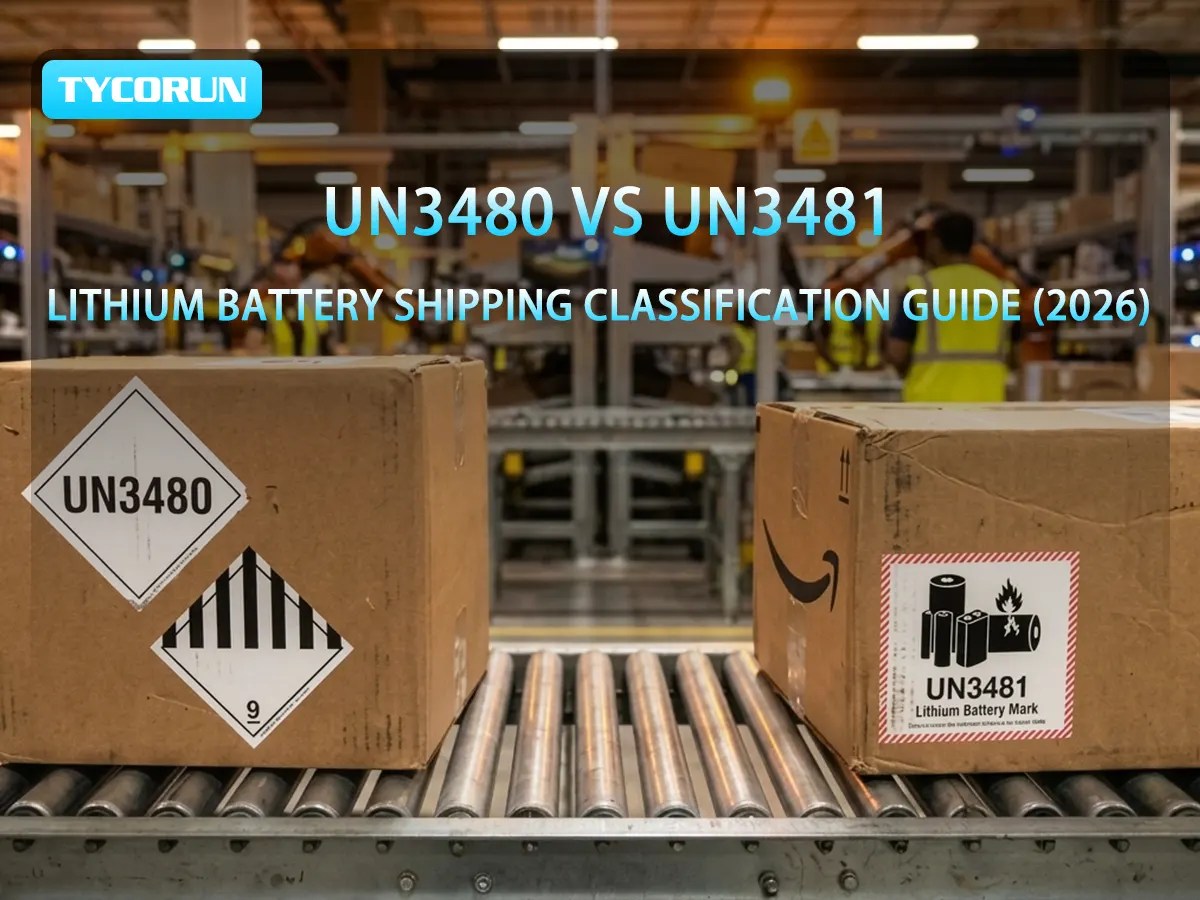
UN3480 vs UN3481: Lithium Battery Shipping Classification Guide (2026)

UN3480 applies to lithium-ion batteries shipped by themselves, while UN3481 covers batteries packed with or installed in equipment. This 2026 guide explains how the shipping ...