 Skip to content


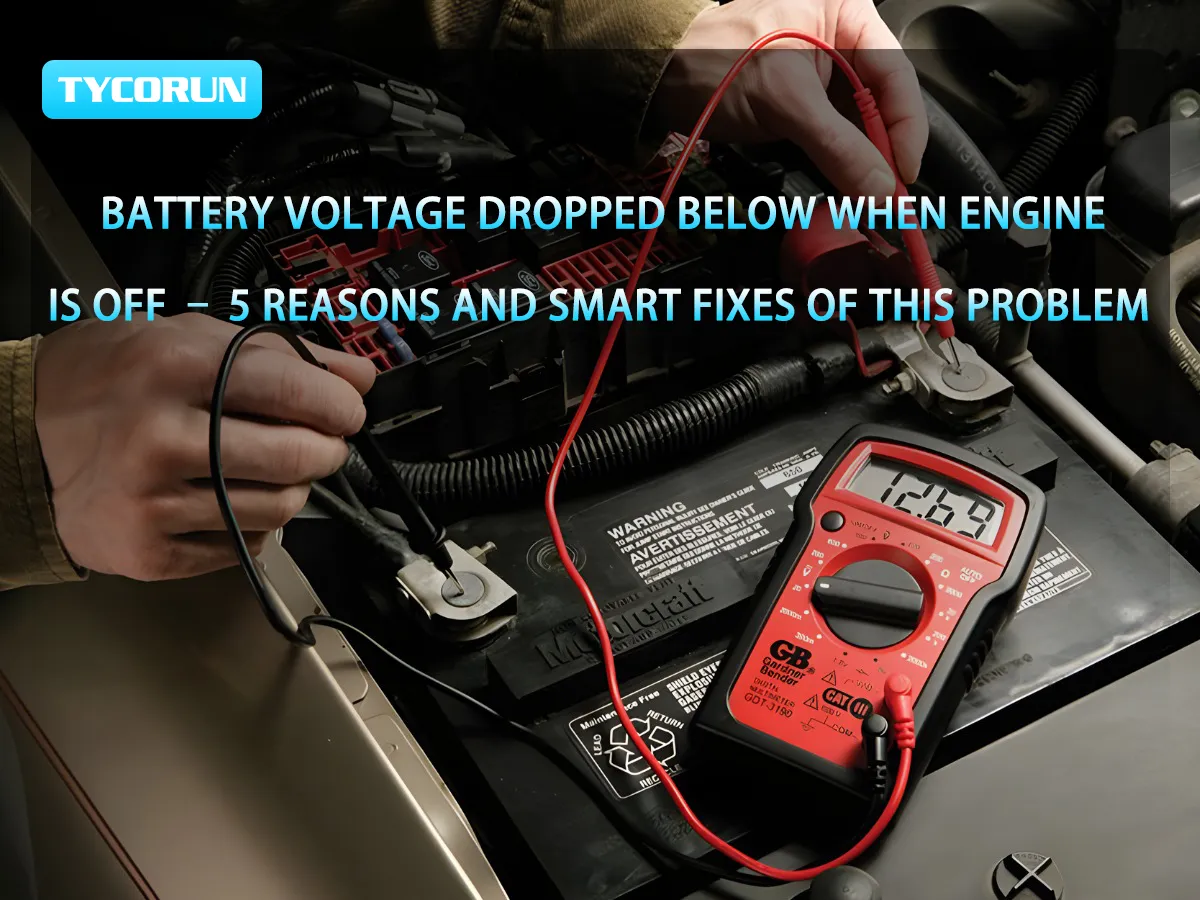
When the vehicle is turned off, the electrical system should keep the battery at a stable voltage. However, in reality, many vehicle owners experience a situation where the battery voltage dropped below when engine is off. If this happens repeatedly, it’s certain that there’s a potential problem with the vehicle’s electrical system or that the battery is no longer optimal.
Generally, when the battery voltage dropped below normal when the engine is off, this could be influenced by various factors, both internal and external to the electrical system and the battery itself. However, as is commonly known, if the battery voltage drops below normal, the potential for vehicle malfunction increases. Therefore, to understand the causes and how to overcome the condition of battery voltage dropped below when the engine is off, this article will discuss it thoroughly.
This article will cover understanding battery voltage behavior, normal voltage, reasons why battery voltage dropped below when engine is off, how to diagnose, preventive maintenance, professional testing, and tips to keep battery healthy. With the right understanding, you can prevent battery damage and ensure that your vehicle’s performance remains optimal for a long time.


Understanding Battery Voltage Behavior
Basically, voltage is one of the main battery indicators that shows the latest battery health condition. Generally, in conventional vehicles, a healthy battery voltage when the vehicle engine is running will be in the range of 13.7V to 14.7V. For electric vehicles themselves, there are two types of batteries in the electrical system, which are high-voltage batteries and auxiliary batteries. In high-voltage batteries, when the battery is still in good condition, the voltage interval is between 84V and 84.6V for 72V batteries. Then, when the engine is turned off, the voltage will naturally decrease because the electrical system that supports the battery is also turned off.

However, if the battery voltage dropped below when the engine is off, it indicates that there is an inconsistency in the vehicle’s electrical system. This problem can generally occur due to a current leak or even a decrease in battery capacity due to the battery life cycle being exceeded.
What is The Normal Battery Voltage When Engine is Off?
Generally, when the engine is off, the battery voltage should be in the range of 12.4V to 12.6V for 12V batteries, and more than 72V–depending on the model and capacity–for high-voltage batteries in EVs. However, if the voltage reading drops drastically below these values, this indicates that your battery is experiencing issues that may make it difficult to start the vehicle.
Additionally, for the EV’s electrical system itself, if the battery voltage dropped below when engine is off, it could cause the main control system to become inactive. Therefore, overall, a battery voltage dropped below when engine is off can cause various problems that could affect the vehicle’s overall performance.
Common Reasons Why Battery Voltage Dropped Below When Engine is Off
When the battery voltage dropped below when engine is off, you may be confused and not know what’s actually happening. Many users think that this is caused by a damaged battery. However, it should be noted that the main cause of battery voltage dropped below when engine is off can be influenced by various other factors. The following are some common reasons why battery voltage dropped below when engine is off.

Parasitic Drain
Parasitic drain, also known as hidden power consumption, is one of the main causes of battery voltage dropped below when engine is off. This condition generally occurs when the engine is off, but some electronic devices such as alarms, dashcams, or even audio systems are still active and consuming power continuously. If this continues to happen, the continuous flow of current can drain the battery voltage over time.
Old Battery Age
Over time, the battery’s ability to store energy will decrease. Usually, batteries that are more than 3 years old will begin to have difficulty maintaining their normal voltage for long periods of time. Therefore, if the battery voltage dropped below when the engine is off, this is a clear sign that the battery needs to be replaced due to battery aging.
Loose or Corroded Terminal Connections
Problems such as dirty or loose battery terminals can cause battery current flow to be blocked. If left unchecked, voltage drops when the engine is turned off can occur even though the battery is known to be in good condition.
Sub-Optimal Charging System
If the charging process isn’t working optimally, the voltage can drop quickly when the engine is turned off. This problem is also often the main factor causing the battery voltage dropped below when the engine is off, especially in vehicles that have a lot of electrical loads in them.
Extreme Ambient Temperature
Generally, extreme weather temperatures can affect the chemical processes going on inside the battery, which can affect the stability of the battery voltage. Batteries exposed to extreme temperatures can cause the battery to work much harder to maintain its power, causing the voltage to drop when the engine is turned off.
How to Diagnose When Battery Voltage Dropped Below When Engine is Off
To determine the exact cause of the battery voltage dropped below when engine is off problem, you need to perform the correct diagnostic steps. Therefore, here are some accurate diagnostic steps you can take when the battery voltage dropped below when engine is off problem occurs.

- First, you can use a multimeter to measure the battery voltage in the vehicle. During the check, ensure that the engine is off and that all electronic devices are completely turned off. From the check results, if the voltage reading is below the normal level, then the battery may be losing its ability to store energy normally.
- Next, you can perform a load test to determine the battery’s ability to maintain voltage under pressure. If the voltage drops drastically in a short time when connected to a load, this indicates that the battery has weakened.
- The next step is to measure whether there’s still current flowing when the engine is turned off. If the check shows a current higher than 50 milliamps, this indicates that there’s a device that’s still on and continuously draining the battery.
- Finally, you can try checking the battery charging system. It’s because, the battery voltage dropped below when engine is off problem isn’t only about the battery condition, but it could be because the charging system is malfunctioning.
Preventive Maintenance to Avoid Voltage Drop
As is commonly known, prevention is always better than cure–this also applies to a vehicle’s electrical system. By taking preventive measures and performing routine maintenance, you not only prolong the battery’s life cycle, but also keep the electrical system stable and efficient for a long time. Here are some preventive measures and maintenance steps you can take to prevent battery voltage drop.

Check Battery Voltage Regularly
Ensure that you check the battery voltage regularly, at least once a month. By doing this consistently, early failures can be diagnosed and repaired earlier.
Clean the Battery Terminals and Connections
Generally, rusty terminals or even loose connections can cause the current to flow sub-optimally. If possible, you can clean the terminals regularly by following the steps on how to clean a battery terminal. Additionally, ensure that the connection is always tight and secure to prevent voltage drops.
Avoid Excessive Electrical Load When the Engine is Off
When the vehicle engine is off, ensure to minimize the number of electronic devices that are turned on. It’s because, leaving many electronic devices turned on at the same time can cause the battery capacity to drain drastically.
Check the Charging System Routinely
Ensure that the charger on EVs and the alternator on conventional vehicle systems are still functioning optimally and aren’t experiencing any problems. If these components are damaged, the battery charging process won’t be optimal and can cause the voltage to drop quickly when the engine is turned off.
Use High-Quality Batteries That Meet Specifications
Ensure you use high-quality batteries that have been verified for safety standards. It’s because, low-quality batteries often cannot store power optimally and have vulnerable safety systems. One battery brand known to use premium materials is TYCORUN. Due to these high-quality materials, TYCORUN batteries have long durability, high efficiency, and a high safety system.
Professional Testing and When to Seek Help
If the problem of battery voltage dropped below when engine is off has occurred repeatedly, and you cannot diagnose it accurately, then don’t hesitate to ask help from experts. It’s because, basically, not all electrical problems can be solved just by doing a simple check at home. Checking the battery condition at a repair shop is needed regularly to ensure a much more accurate analysis of the battery and electrical system condition.
Moreover, professionals generally have more sophisticated diagnostic tools and perform several battery tests to accurately detect the cause of the problem. Therefore, if the voltage drop occurs frequently and the signs of a drop often appear, don’t hesitate to seek professional help immediately. With testing performed by professionals, you can prevent more complex system damage.
Tips on How to Keep Your Battery Healthy
Ensuring that your battery remains in optimal condition is one way to prevent the battery voltage dropped below when engine is off. Therefore, with the following tips on maintaining your battery, you can ensure that your battery remains in good condition and prevent the battery died while driving or dropping when the engine is off.

- Use Your Vehicle Regularly: Generally, vehicles that are rarely used can cause the battery to slowly lose power naturally. Therefore, ensure that you use your vehicle at least once a day for 15-20 minutes.
- Turn Off All Electronic Devices When the Engine is Off: Before leaving your vehicle and turning off the engine, ensure that all electronic devices in the vehicle are turned off. This aims to prevent the devices from continuously draining energy from the battery.
- Check the Battery Terminals and Cables: Since it’s known that rusty terminals or loose cable connections can cause current flow to be blocked, ensure that you clean and check the battery connections regularly.
- Avoid Extreme Temperatures: Since extreme temperatures can affect battery degradation, make sure to park your vehicle in the shade or use a thermal protector to keep the battery temperature stable.
- Use a Battery Maintainer When the Vehicle Isn’t in Use: When the vehicle won’t be used for a long time, use a battery maintainer to ensure the battery voltage remains stable over time.
- Replace the Battery on Time: Since every battery has a limited lifespan, ensure you replace the battery at the right time rather than waiting until it completely dies.
Conclusion
Technically, maintaining stable voltage in various situations is very important. However, when the battery voltage dropped below when engine is off, this could be a sign that there’s a problem with the vehicle’s electrical system or that the battery is starting to deteriorate. Although this problem is quite annoying, by taking various preventive measures, performing routine maintenance, and conducting regular checks, further damage can be prevented and the battery’s lifespan can even be extended.
If you’ve repeatedly experienced battery voltage dropped below when engine is off, then it might be time to replace your battery with a high-quality one, such as from TYCORUN. As an experienced lithium battery factory, every TYCORUN battery product is known for its high durability and efficiency, stable performance, and advanced safety features. With advanced lithium technology and an optimal power management system, the voltage stability of TYCORUN batteries is exceptionally high–even when the engine is off.
Therefore, if you’re curious and want to learn more about our battery products, you can contact us here! Switch to high-quality batteries from TYCORUN for superior vehicle performance!
Frequently asked questions
Things that can cause the battery to drain when the car is off include power consumption from devices such as alarms, dashcams, GPS, lights left on, electrical system malfunctions, or even battery aging.
Generally, a slight drop is still normal because the electronic system is known to still draw a small amount of power from the battery. However, if the voltage drop is very drastic, it's a sign that there's a problem with the electrical system or even the battery itself, which requires further inspection.
This can happen, especially when there is hidden excessive power consumption or a malfunction in the vehicle's charging system. Another main cause is a problem with the vehicle's electrical system.

Who We Are
With over 17 years of experience, TYCORUN is a leading lithium battery supplier committed to driving innovation and development of battery technology. Our diverse product range includes two/three/four-wheeled power batteries, energy storage systems, one stop battery swap systems, inverters, and electric motorcycles. These high-quality solutions are trusted in Europe, the Middle East, and Africa.
We provide customized battery services, from cells to complete systems, and holds certifications like ISO9001, CE, TUV, and UL. TYCORUN has developed solid-state batteries for better performance and uses advanced BMS algorithms for safety and longer life.
TYCORUN’s global reach is strengthened through our strategic partnership with Ganfeng, a top-five Chinese battery manufacturer. This collaboration offers us professional technology and production support. We fully manage Ganfeng’s overseas battery business and have collaborated to mass sell swappable, power, and energy storage batteries to Thailand, Dubai, Egypt, South Africa, Saudi Arabia, etc.

In this article, we’ll explore several battery deep discharge recovery processes, starting with definitions, influencing factors, and understanding the risks and limitations.
Therefore, in this article, we’ll cover a guide on how to check a battery with a voltmeter safely and precisely, starting from understanding the voltmeter, preparation before the process, practical steps, interpretation of measurement results, to common mistakes to avoid.
Authors
-
 View all posts
Anastasia is a dedicated renewable energy researcher and technical writer specializing in inverters, home energy storage solutions, and clean energy trends. With a sharp eye for market analysis and industry shifts, she transforms complex technical concepts into actionable, easy-to-understand insights. Her goal is to empower homeowners and businesses alike to make highly informed decisions regarding sustainable energy deployment.
-
 View all posts
Meg is a battery engineer with 10+ years of experience in the energy storage industry. She holds a B.S. in Electrical Engineering and previously worked as an R&D engineer at a lithium-ion battery manufacturer, where she focused on battery management systems (BMS), charging algorithms, and life-cycle testing for lead-acid, AGM, and lithium chemistries. She has contributed to the development of battery maintenance technologies used in commercial products. Meg now provides technical review for energy storage content to ensure accuracy, safety, and practical value for readers.





