Skip to content



Along with the technological development, batteries have become one of the main power sources used by many devices, ranging from smart devices, electric vehicles (EVs), to various energy storage systems. Thus, maintaining battery health is one of the most important factors that need to be done to ensure optimal performance and durability. It’s known that there is a battery deep discharge protection system that’s very effective in preventing the battery from being damaged due to excessive power discharge.
The protection technology basically plays an important role in preventing the battery from experiencing a total discharge due to battery self-discharge conditions. Therefore, battery deep discharge protection technology is often standardized in various applications to help extend the battery life cycle.
This occasion, we’ll discover deeper about what is battery deep discharge protection, start from its definition, why deep discharge condition dangerous, its working principles, main features, its benefits, common issues if our battery don’t have this security features, to how to choose the right deep discharge protection.

What is Battery Deep Discharge Protection?
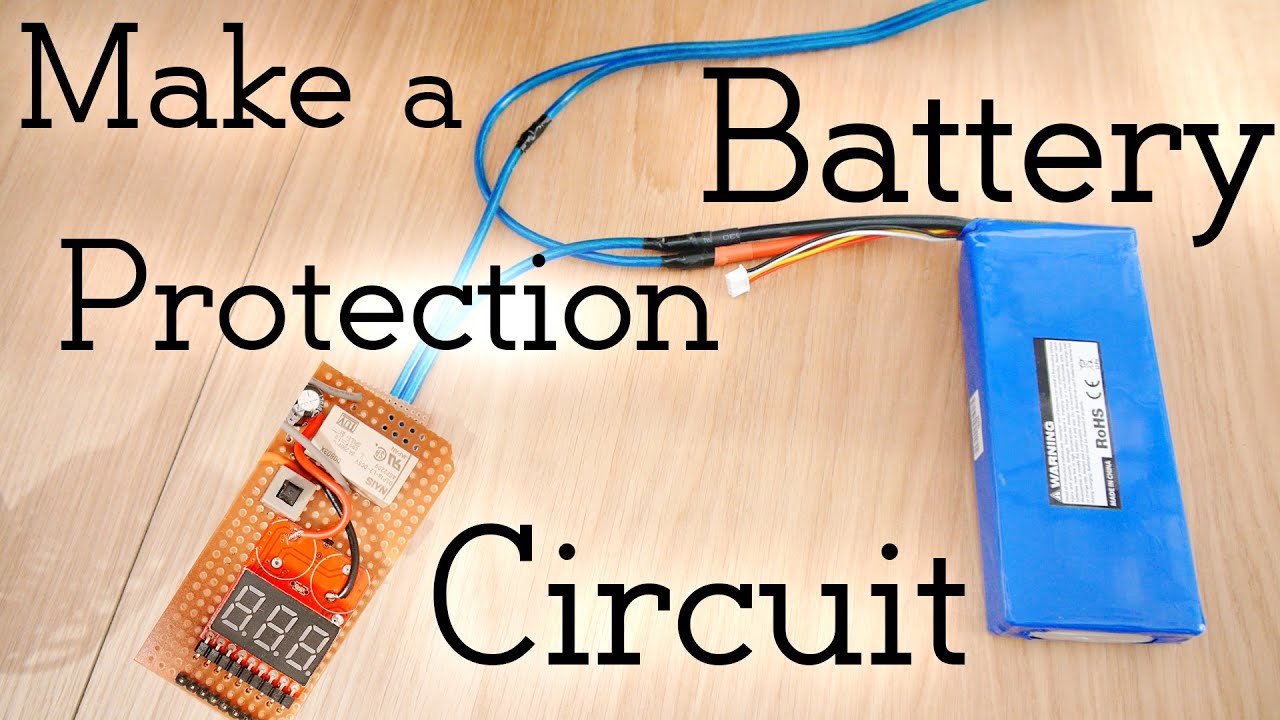
Battery deep discharge protection is basically a technology or protection system designed to prevent the battery from being damaged due to the voltage dropping too low. Battery deep discharge protection technology itself is usually integrated with the battery management system (BMS). If deep discharge conditions occur for a long time without proper handling, it can trigger battery damage to occur early. Therefore, to avoid permanent damage occurring due to this problem, the use of battery deep discharge protection system becomes very crucial.

Battery deep discharge protection basically has a function as an automatic battery voltage monitor. If the battery voltage decreases drastically, then this system will immediately disconnect from the load. With this reliability, it can be ensured that battery health is maintained optimally for a long time.
Why is Deep Discharge Dangerous for Batteries?
Battery deep discharge conditions are basically very dangerous because they can trigger battery damage much faster. Where the battery deep discharge condition can trigger the chemical structure in the battery cell to be damaged, thus causing a significant decrease in performance, capacity, and battery efficiency levels.
In the long run, this condition can lead to a drastic decrease in battery lifespan, leading to increased expenditure due to battery replacement costs. Therefore, with the battery deep discharge protection feature, the potential for the battery to malfunction completely, lose its energy storage ability, and experience internal short circuiting will decrease.
How Battery Deep Discharge Protection Works
Basically, the battery deep discharge protection system works by monitoring the voltage of each cell in real-time. This monitoring process itself aims to ensure that the battery voltage is still within normal limits for use.

The battery deep discharge protection system itself is known to work in collaboration with the BMS to monitor various battery parameters. So, when a deep discharge condition occurs, the system will immediately signal the circuit breaker to stop the current supply to the connected device. Then, after the voltage rises again due to recharging, the system will again allow battery current to flow to the device safely.
In short, this system works by detecting the battery voltage and will immediately cut off the current to the load automatically if it finds that the battery voltage has decreased. With this mechanism that occurs automatically, this system plays an important role as a helper to prevent permanent damage, extend service life, and increase energy efficiency.
Main Components in the Battery Deep Discharge Protection System
In order to ensure the battery deep discharge protection system runs efficiently, there are several components that work together to detect, monitor, and control the current flow in the battery. Each of the main components itself is known to have its own specific function as follows.

- Voltage and Current Sensors: Generally, this component functions as a real-time detection of voltage and current conditions in battery cells. Then, any data generated will be sent to the control system to diagnose whether the battery is approaching a condition called deep discharge or not.
- Microcontroller (Control Unit): This component basically acts as the brain of the battery deep discharge protection system, because it has a function as a component that makes the final decision whether the battery is experiencing a deep discharge or not.
- Circuit Breaker (Relay or MOSFET): This component functions as a connector and also a breaker of electric current. So, when the system detects a dangerous condition, this component is in charge of breaking all connections to the device.
- Protection Module or BMS: This module is basically a combination of all the components described earlier and has a function not only as deep discharge protection, but also overcharge, short circuit, and extreme temperature protection.
- Indicators and Monitoring Systems: It’s known that some systems use monitoring systems such as LEDs or digital screens to make it easier for users to know when the protection system is active.
Advantages of Using Battery Deep Discharge Protection
The use of battery deep discharge protection basically not only functions as a preventive measure against battery damage, but can also provide many benefits in the long run. With this protection system, you’ll get a variety of benefits as follows.

- This protection system is able to keep your battery from being overly discharged to below the threshold, thus extending battery life.
- Batteries that are protected from deep discharge conditions can better maintain their internal stability, so that the battery can provide higher performance.
- This protection system can prevent the battery from various risks of internal damage that can trigger overheating or even shorting.
- Protected batteries generally tend to have a long service life and make the replacement and maintenance frequency more efficient.
- The energy efficiency that can be provided by the battery is higher when protected by a deep discharge protection system.
Common Issues Without Deep Discharge Protection
Have you ever thought about what if the battery you have isn’t protected by deep discharge? Generally, without this protection system, your battery can experience the following problems.

- Permanent Capacity Loss: Generally, deep discharge conditions can make the chemical reactions in the battery unstable and result in a decrease in the battery’s ability to store power optimally.
- Overheating and Potential Cell Damage: Without battery deep discharge protection, the battery may overheat as the device continues to draw power from the battery, even after the voltage has decreased.
- Decreased Energy Efficiency: Batteries that are allowed to experience deep discharge too often can have their efficiency levels drastically reduced.
- Shorter Battery Life: Without adequate protection from deep discharge conditions, batteries can experience battery degradation much faster, which can shorten their lifespan.
- Risk of Total System Failure: For large complex systems, the absence of a protection system, especially deep discharge protection, can cause the battery to fail and disrupt overall system operations.
How to Choose the Right Deep Discharge Protection System
Choosing the right battery deep discharge protection can basically help you ensure that the electrical system can be optimally protected. Moreover, with the right protection system, you can maximize battery lifespan, increase safety, and avoid system damage. Therefore, here are some ways to choose the right deep discharge protection system.
- Match the Battery Type and Voltage: Ensure that the selected protection module has good compatibility with the battery type you have.
- Note the Cut-Off Voltage Threshold: Deep discharge protection systems basically have different minimum voltage threshold settings, so choose the one that best suits your needs to maximize battery performance.
- Choose a Module with Integrated BMS: Ensure to choose a protection module that has been integrated with BMS so that the battery can be protected from various problems other than deep discharge.
- Check Monitoring Features and Status Indicators: Ensure that you choose a protection system with monitoring features to make it easier for you to monitor the battery condition in real-time.
- Ensure Product Quality and Certification: Use only the best battery products that have high safety and quality standards such as TYCORUN. Usually, battery products from big brands like TYCORUN are integrated with various safety features, one of which is deep discharge protection.
Conclusion
It can be concluded that battery deep discharge protection has an important role as a safeguard of the battery’s overall performance, safety, and lifespan. Without this protection system, the battery could potentially be permanently damaged due to excessive power discharge. Therefore, by implementing battery deep discharge protection, you can ensure that the battery continues to operate optimally for a long period of time.
To get the best experience in using batteries, you can choose high-quality batteries with advanced safety systems such as those from TYCORUN. Widely known as an experienced lithium battery factory, TYCORUN batteries are not only integrated with deep discharge protection, but also other safety features such as overcharge, overheating, short circuit, and temperature protection. By choosing TYCORUN batteries as your renewable system partner, you’re not only protecting your energy investment, but also directly contributing to an efficient, safe, and sustainable energy storage system.
To understand more about our battery products, please contact us here!
Frequently asked questions
Generally, yes almost all battery types require this protection system to maintain optimal performance and safety, especially in complex applications with high usage cycles such as electric vehicles and solar power systems.
Yes, some battery manufacturers provide external protection modules that can be installed on battery systems that don't have this protection system yet. However, the system is much more efficient if it's integrated with the built-in BMS.
For external deep discharge protection systems, it's known that these systems cannot protect the battery from overcharge as well. However, if the battery deep discharge protection system has been integrated with the BMS, then your battery is indirectly protected from overcharge as well.

Who We Are
With over 17 years of experience, TYCORUN is a leading lithium battery supplier committed to driving innovation and development of battery technology. Our diverse product range includes two/three/four-wheeled power batteries, energy storage systems, one stop battery swap systems, inverters, and electric motorcycles. These high-quality solutions are trusted in Europe, the Middle East, and Africa.
We provide customized battery services, from cells to complete systems, and holds certifications like ISO9001, CE, TUV, and UL. TYCORUN has developed solid-state batteries for better performance and uses advanced BMS algorithms for safety and longer life.
TYCORUN’s global reach is strengthened through our strategic partnership with Ganfeng, a top-five Chinese battery manufacturer. This collaboration offers us professional technology and production support. We fully manage Ganfeng’s overseas battery business and have collaborated to mass sell swappable, power, and energy storage batteries to Thailand, Dubai, Egypt, South Africa, Saudi Arabia, etc.

To understand further what a battery insulation kit is, in this article we’ll discuss it in detail. This article will discuss starting from the definition, functions and benefits, types, how to work, to guidelines for choosing the most appropriate battery insulation kit.

In this article we’ll break down all the reasons why battery protection matter. We’ll discuss starting from understanding what battery protection is, the reasons why battery protection matter, the technology and innovation of battery protection, to the risks that can arise if you ignore battery protection.

In this article, we’ll thoroughly discuss battery protector, from their definition and types to how they work in general, the benefits of using them, and tips on choosing the proper battery protectors. By understanding this component well, users can get safe and durable device performance in the long run.
Authors
-
 View all posts
Anastasia is a dedicated renewable energy researcher and technical writer specializing in inverters, home energy storage solutions, and clean energy trends. With a sharp eye for market analysis and industry shifts, she transforms complex technical concepts into actionable, easy-to-understand insights. Her goal is to empower homeowners and businesses alike to make highly informed decisions regarding sustainable energy deployment.
-
 View all posts
Meg is a battery engineer with 10+ years of experience in the energy storage industry. She holds a B.S. in Electrical Engineering and previously worked as an R&D engineer at a lithium-ion battery manufacturer, where she focused on battery management systems (BMS), charging algorithms, and life-cycle testing for lead-acid, AGM, and lithium chemistries. She has contributed to the development of battery maintenance technologies used in commercial products. Meg now provides technical review for energy storage content to ensure accuracy, safety, and practical value for readers.