Battery Buying Guide - The Complete Guide for Choosing the Best Batteries
Battery buying guides are usually influenced by several factors which are battery capacity, battery types, physical dimensions of the battery, battery weight, the voltage of the battery, the battery current, life cycle, quality, cost, and up to the battery warranty.
Batteries are one of the main power sources for various modern electronic devices that we use in our daily lives. Batteries can turn electronic devices on without requiring the device to be directly connected to the main electricity network for 24 hours. That is why, batteries are an important component in today’s modern life. However, with the many types and types of batteries on the market, choosing the right battery becomes one of the most difficult challenges. Therefore, there is a need for a battery buying guide to minimize the risk of purchasing the wrong battery.
In this article, we will discuss the battery buying guide, starting from the types of batteries to maintenance tips to extend the battery life. Basically, choosing the right battery is not just about durability, but also efficiency, safety, and other factors. With this battery buying guide, hopefully, you can find the most appropriate battery for your needs.
Types of Batteries
Before looking further into the battery buying guide, it helps us to have a good understanding of the types of batteries available or widely circulated in the market. The types of batteries are basically divided into many kinds depending on the use and main components of their manufacture. So before explaining the battery buying guide, we must first understand the kinds of batteries that exist. Understanding the types of batteries will make it easier for users to decide which battery is most suitable for the application that is currently needed.
Battery types are basically divided into two types, which are primary batteries and rechargeable batteries. The following is a more detailed explanation of the types of batteries that are widely circulated in the market.
Primary Batteries (Non-Rechargeable)
This type of battery is a battery that can only be used once until the power runs out. This type of battery cannot be recharged after it runs out and must be disposed of or recycled properly. To understand how to recycle batteries properly, you can read the article How do I dispose of lithium batteries for further understanding.
Basically, primary batteries consist of several types of batteries that are commonly used for the application of electronic devices that require low to medium power consumption. Here are some types of batteries that can only be used once before the power runs out.
Alkaline
Alkaline batteries are one type of battery that is widely found in the market. This is because this type of battery is commonly used for applications in simple household electronic devices such as remotes, wall clocks, toys, and others. These batteries generally have a fairly long endurance and are available in various sizes ranging from AA, AAA, C, and D.
Lithium (Li-FeS2 & Li-MnO2)
Lithium batteries are rechargeable and some can only be used for one-time use. This type of battery is known to have a longer endurance compared to alkaline batteries, so it is widely used for applications such as cameras, sensors, or even some medical devices. These batteries also have a much lighter weight compared to other types of batteries that have similar capacities because they have a high battery energy density.
Zinc-Carbon
Zinc-carbon battery is one of the batteries that cannot be recharged again when its life has expired. This type of battery usually has a much cheaper price compared to alkaline batteries, but also with a smaller capacity. This type of battery is widely used for electronic devices with low power such as flashlights, watches, or remotes. Usually, zinc-carbon batteries are found in AA and AAA sizes. (Read AAA battery vs AA battery to know more about the difference between the two battery sizes)
Rechargeable Battery
This type of battery can be reused by recharging its power when it has run out. This type of battery can make users more efficient in the long run because it does not require a replacement device in a short period of time. The following are some types of rechargeable batteries that are commonly found in the market.
Lithium-Ion
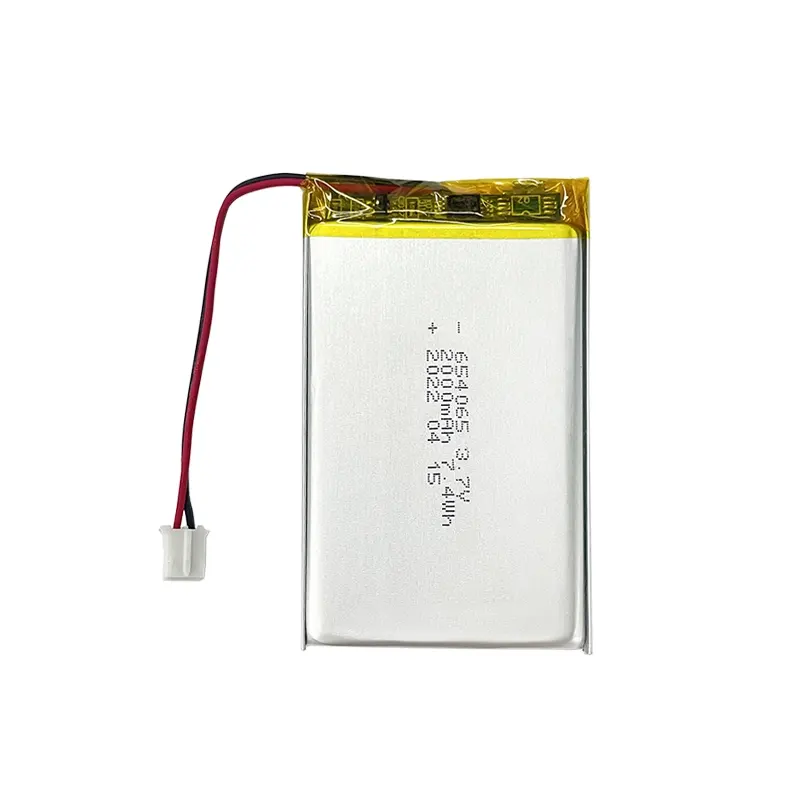
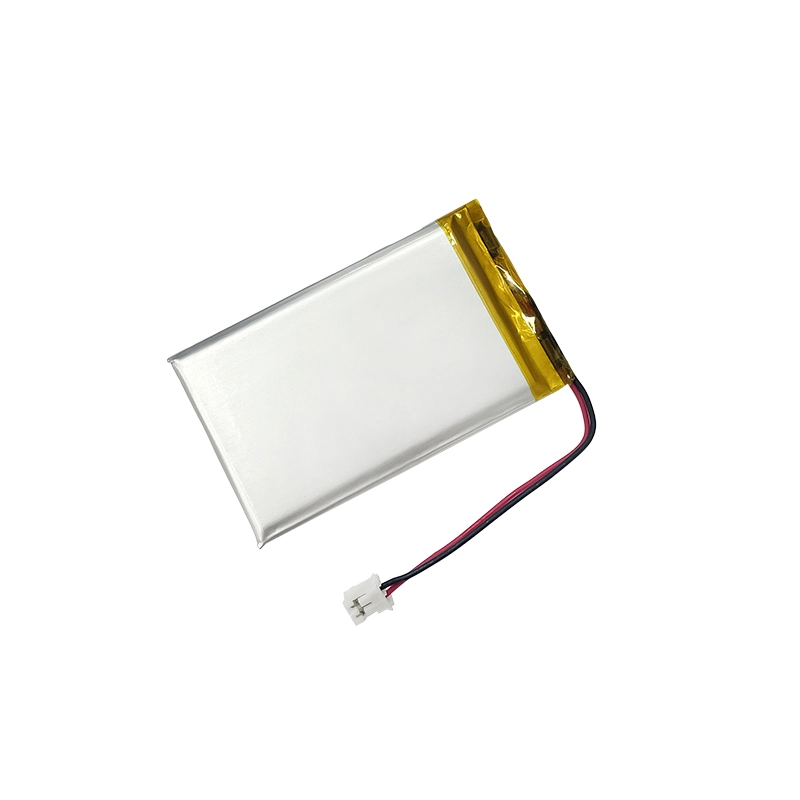
Lithium-ion batteries are one type of rechargeable battery that is widely used for modern devices at this time. This type of battery is known to be widely used in smartphones, laptops, cameras, energy storage solutions, and electric vehicles. This battery is known to be widely used for applications in modern devices because of its reliability which has a smaller and lighter design with a larger capacity and has no effect memory.
Nickel-Metal Hydride (NiMH)
NiMH is a type of rechargeable battery that is widely circulated in the market. This type of battery is widely used for applications such as remotes, cameras, and electronic toys. This rechargeable battery has a higher capacity compared to NiCd and is also more environmentally friendly.
Nickel-Cadmium (NiCd)
Nickel-cadmium (NiCd) batteries are widely used for various electrical work devices such as drills and other household tools. This type of battery is rarely used but is widespread in the market because it has a memory effect that makes the battery must be emptied first before recharging.
Lead-Acid
Lead-acid batteries themselves are one type of rechargeable battery that is widely used for conventional vehicle applications, power backup systems (UPS), and renewable energy systems. This type of battery has a large capacity but the design is larger and heavier.
Battery Buying Guide: Factors Need to be Consider
Buying the right battery for a specific application can be a difficult task, especially with the wide selection of battery variations on the market. Therefore, there is a need for several factors that need to be considered and can be used as a battery buying guide to make it easier to select the optimal battery for a specific application. The following are factors that need to be considered in the battery buying guide.
Battery Capacity
Battery capacity is measured in Ah (Ampere Hour) or Wh (Watt Hour) and determines how long the battery can be used before it needs to be recharged. It is important to choose a battery with a proper capacity that matches the needs of the device or vehicle so that it can be used effectively and efficiently for a long time.
Battery Types
Various types of batteries are widely available in the market, each with different advantages and disadvantages. For example, lead-acid batteries are cheaper and easier to find but have a lower capacity and heavier weight. Whereas, lithium-ion batteries have a higher capacity and lighter weight but are more expensive and harder to find. (Read lead acid battery vs lithium-ion for further understanding). Therefore, choose the type of battery that best suits your current needs.
Physical Dimensions
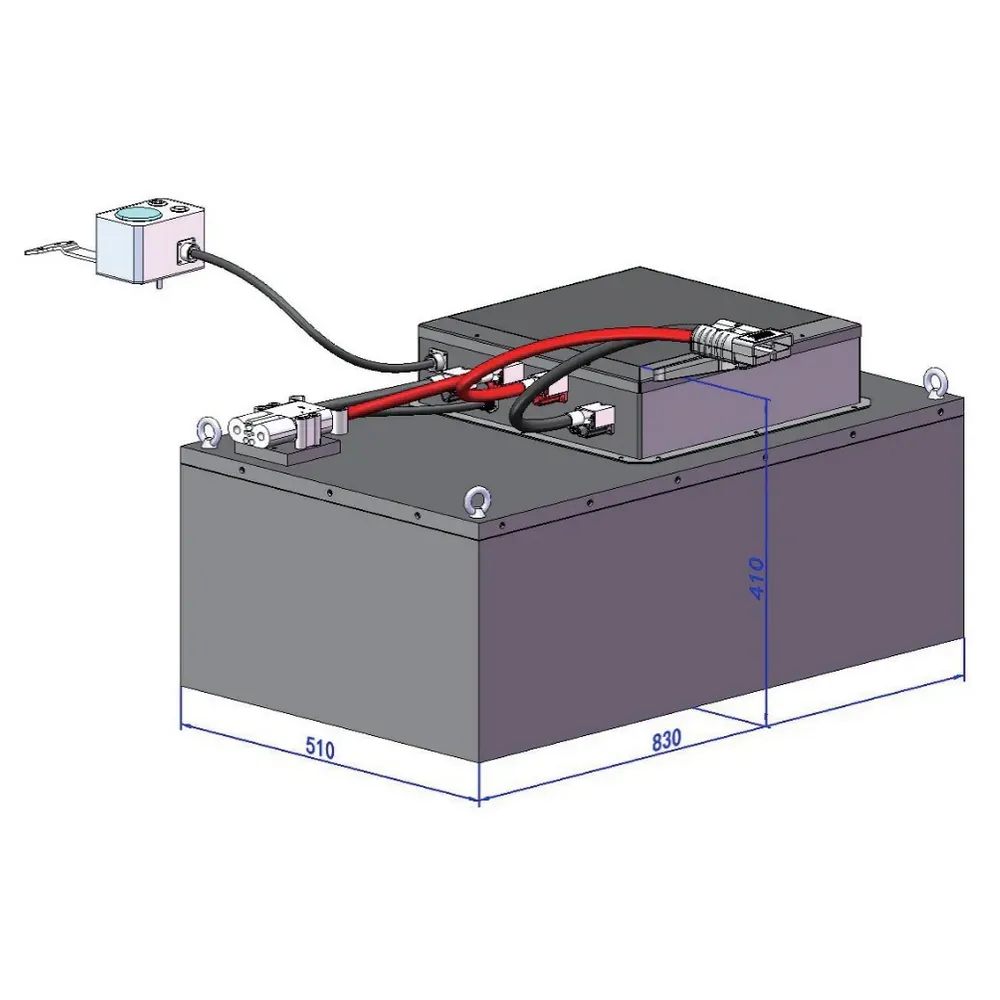
Before deciding to purchase a new battery, the physical size of the battery should match the space available on the device or vehicle. If the battery is oversized, it may cause problems in installation and use and may affect the aesthetics and design of the device or vehicle.
Battery Weight
The weight of the battery affects the ease of use of the device or vehicle. A lighter battery makes the device or vehicle easier to use and carry, increasing user mobility and comfort.
Battery Voltage
Battery voltage must match the needs of the device or vehicle to ensure optimal performance. Choosing the right battery voltage is essential to avoid damage to the device or vehicle, as well as to ensure user safety.
Battery Current
Battery current can affect the performance of the device or vehicle. Make sure to choose a battery with a current that matches the needs of the device or vehicle, so that the battery can be used optimally and provide maximum performance.
Battery Life Cycle
Battery life cycle can affect how long the battery can last to provide maximum performance. Make sure to choose a battery with an age that suits the needs of the device or vehicle, so that it can be used effectively and efficiently for a long time.
Battery Quality
Battery quality is one of the factors that can affect the performance of a device or vehicle. Therefore, make sure to choose a battery with the best quality and has been integrated with the most reliable management system. It is known that one of the battery manufacturers that uses premium raw materials in its batteries is TYCORUN.
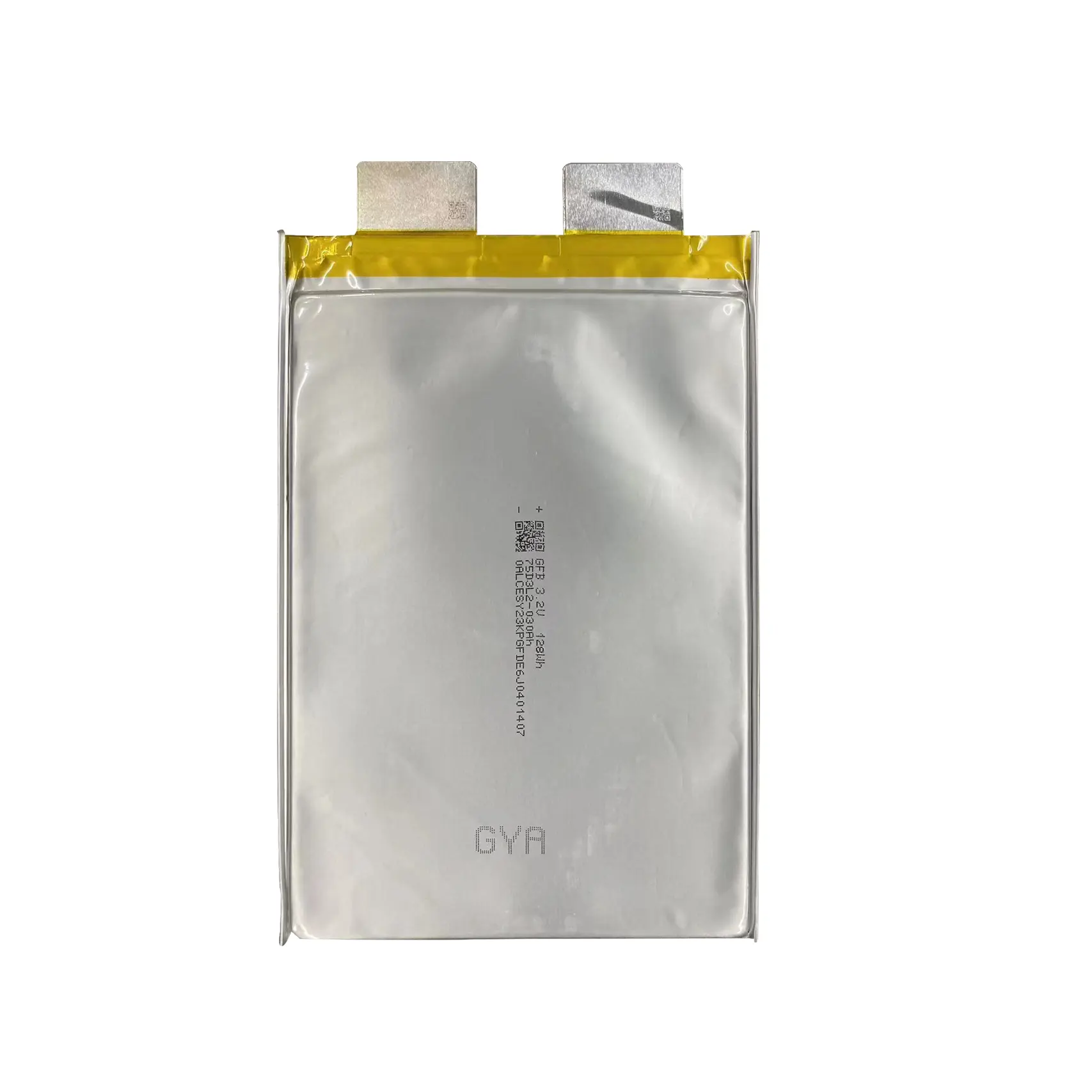
Each battery from TYCORUN is known to use premium main raw materials and has gone through a strict battery test. In addition, TYCORUN batteries are known to have been coated by BMS which makes the battery able to be protected from various electrical problems and manages an intelligent charging system that prevents overcharging.
Battery Cost
Make sure to choose the best battery that suits your current budget. Research batteries from various brands that fit your budget and choose the battery that offers the best benefits. Batteries from TYCORUN are known to offer a wide range of advantages in operation at an affordable cost. If you want other special offers, contact our experts here and get the best deals now!
Battery Warranty
Battery warranty can affect the user’s confidence as well as the quality provided by the manufacturer. Choose a battery that offers a sufficiently long warranty period, as it is intended that the battery can be used effectively and efficiently with minimal risk.
Tips for Maintaining Battery Life
In addition to having to understand the battery buying guide well, it is good that we also need to understand how to take good care of the battery to extend its lifespan. In order to keep the battery durable and have a long life, there are several ways that must be done. Here are some maintenance tips based on the various types of batteries used.
- Avoid Overcharging: For rechargeable batteries such as Li-ion and Li-Po, avoid charging to 100% too often, as it can accelerate the battery capacity down. Use the built-in charger or one that matches the battery specifications so as not to damage the cells.
- Avoid Battery Deep Discharge: For Li-ion & Li-Po batteries do not let the power drop below 20%, as it can damage the battery cells. It is best to recharge when the remaining power is 30-40%. As for NiMH batteries, it’s best to drain the battery first before recharging to avoid the memory effect that could potentially reduce its capacity.
- Store Batteries in a Cool & Dry Place: Avoid storing batteries in hot places or direct sunlight, as heat can accelerate battery degradation. Also, do not store batteries in too cold conditions (such as in the refrigerator), as extreme temperatures can damage the performance of the battery.
- Use an Appropriate Charger: Use an original charger or one that has the appropriate voltage and current specifications. Avoid using cheap or fake chargers, as they may cause overheating or short circuits.
- Remove Battery When Not in Use for Long Periods: For devices that are rarely used, remove the battery to minimize battery self-discharge. If using rechargeable batteries, store them when they are 40-50% charged, never store them when they are empty as this can accelerate battery damage.
- Avoid Overuse: Avoid overuse such as connected loads that exceed the battery capacity because it can cause the battery to heat up quickly. If the battery feels hot during use, stop using it temporarily and wait for the battery temperature to return to normal. Also, reduce the load connected to the battery to minimize the decrease in battery performance.
- Clean the Battery Terminals Periodically: For primary and rechargeable batteries that are often removed, clean the terminals/ contacts at least twice a month with a dry cloth or alcohol cotton to prevent rusting and reduce power efficiency.
- Avoid Impact or Physical Damage: Don’t drop or squeeze the battery too hard, especially for Li-ion and Li-Po batteries, as it may cause battery leaking and even the risk of battery explosion. If the battery is bulging, stop using it immediately and replace the old battery with a new one.
- Don’t Mix Old and New Batteries: If using primary batteries (such as alkaline), do not mix new batteries with old ones in one device, as it may cause leakage or damage the device. If using rechargeable batteries, make sure they are the same capacity and type if used in devices that require more than one battery.
- Recycle Batteries Properly: Don’t dispose of used batteries carelessly as they contain harmful chemicals that can pollute the environment. Understand where to recycle batteries properly and look for a battery recycling center in your neighborhood. Usually, electronics stores provide a place to dispose of used batteries or you can go to an official recycling center directly to dispose of used batteries safely.
Taking proper care of your battery will extend its life and keep it performing optimally. Avoid overcharging, overheating, and improper use and storage. With good care, batteries can last longer and save costs in the long run.
Conclusion
Choosing the right and appropriate battery is basically a very important thing to maximize the performance of your system or device. In this battery buying guide, we have discussed starting from the types of batteries, factors that need to be considered when buying batteries, and battery maintenance tips. By having a good understanding of the needs and types of devices used, battery selection can take place much more efficiently and optimally.
TYCORUN batteries are known for their high reliability and outstanding performance as they are made from a variety of premium materials. As the top 10 lithium-ion battery manufacturers in China, TYCORUN offers a wide range of reliable lithium batteries for various applications. TYCORUN is known to offer a wide range of battery types capable of being used for various applications, ranging from household electronic devices, and electric vehicles, to large-scale renewable energy systems. Therefore, we hope this battery buying guide article will help you find the best battery for all your needs!
Who We Are
With over 17 years of experience, TYCORUN is a leading lithium battery supplier committed to driving innovation and development of battery technology. Our diverse product range includes two/three/four-wheeled power batteries, energy storage systems, one stop battery swap systems, inverters, and electric motorcycles. These high-quality solutions are trusted in Europe, the Middle East, and Africa.
We provide customized battery services, from cells to complete systems, and holds certifications like ISO9001, CE, TUV, and UL. TYCORUN has developed solid-state batteries for better performance and uses advanced BMS algorithms for safety and longer life.
TYCORUN’s global reach is strengthened through our strategic partnership with Ganfeng, a top-five Chinese battery manufacturer. This collaboration offers us professional technology and production support. We fully manage Ganfeng’s overseas battery business and have collaborated to mass sell swappable, power, and energy storage batteries to Thailand, Dubai, Egypt, South Africa, Saudi Arabia, etc.
About Our Custom Battery Solutions
TYCORUN combines 17+ years of industry expertise with UN38.3 certified LFP battery technology to provide tailor-made solutions. Our 5-layer BMS monitors over 200 parameters in real time, ensuring 99.6% fault prediction accuracy. Modular design supports scalability, which has been proven in over 300 projects, such as a customer operating a logistics and food delivery fleet in Dubai. The global service team provides < 2-hour response in over 50 locations, backed by ISO certified quality control.
Smart BMS Protection
Thermal Optimization
Modular Flexibility
Global 24/7 Support
Our List of Customizable Batteries
You Might Also Like...